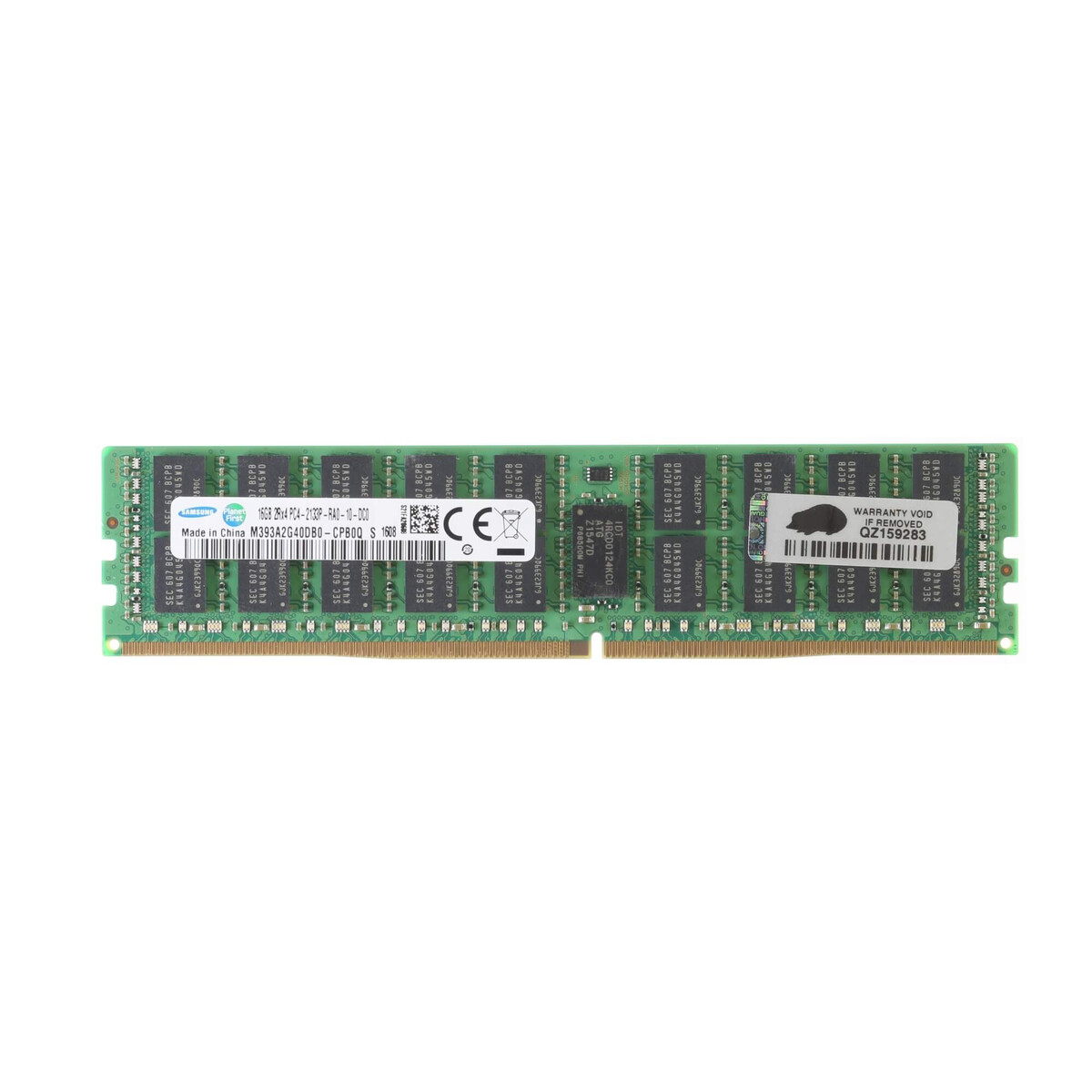
About server memory at Server Hub
Registered ECC memory for rack and tower servers: DDR4 and DDR5 RDIMMs and LRDIMMs in the capacities a virtualisation host or database server actually needs. Every module in this range is certified-refurbished — tested before sale — a cost-effective way to add capacity to a server you already own.
Get the match right first. A server runs one memory generation and one module type, and mixing RDIMMs with LRDIMMs stops most machines from booting. Populate channels evenly across both processors for full bandwidth, and remember the platform ceiling: the processor sets the maximum speed and the motherboard sets the slot count.
Prices are in rand with VAT included, and each product page states its condition and warranty. Desktop and laptop memory sits in PC components; the servers themselves are in refurbished servers and rack and tower servers. Send us the server model and the capacity you want and we will list the exact modules.
Prices are shown in South African rand, with VAT included.
Frequently asked questions
What is the difference between RDIMM, LRDIMM and UDIMM memory?
- An RDIMM buffers the address and command signals so a server can run more modules reliably. An LRDIMM also buffers the data lines, allowing the highest capacities per slot. A UDIMM is unbuffered and used in desktops and entry servers. Most servers cannot mix types, so match the module type already installed.
Can I use desktop RAM in a server?
- Usually not. Two-socket servers take registered ECC modules and will not boot with unbuffered desktop RAM. Some entry single-socket servers take ECC UDIMMs instead. Check the memory type your server supports, and match the generation (DDR4 or DDR5) and the speed.
Does memory speed matter in a server?
- A server runs every module at the speed of the slowest one, and often lower when more modules share a channel. Match the rated speed to what your processor supports and populate channels evenly across both sockets; for most virtualisation hosts, capacity matters more than a faster rating.