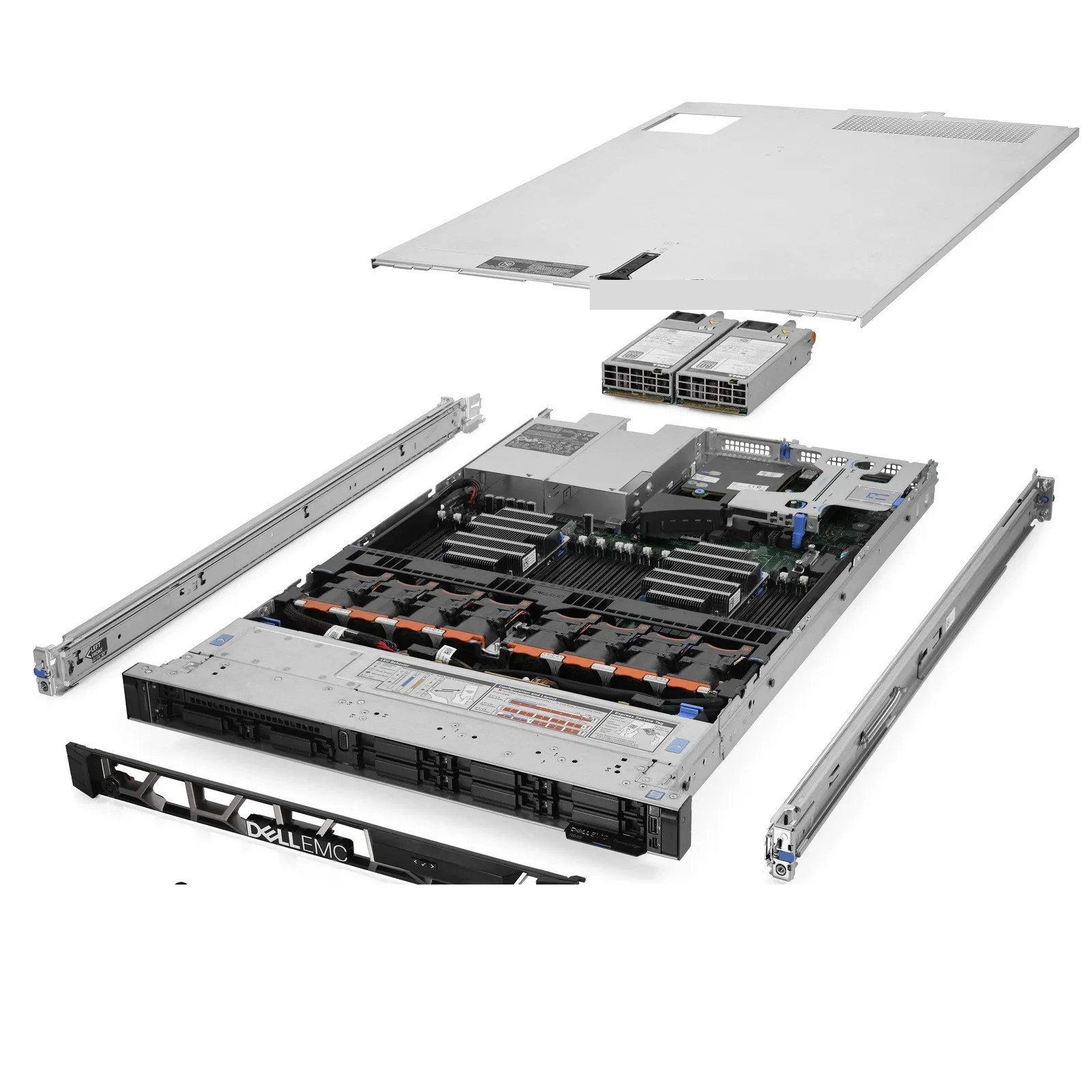
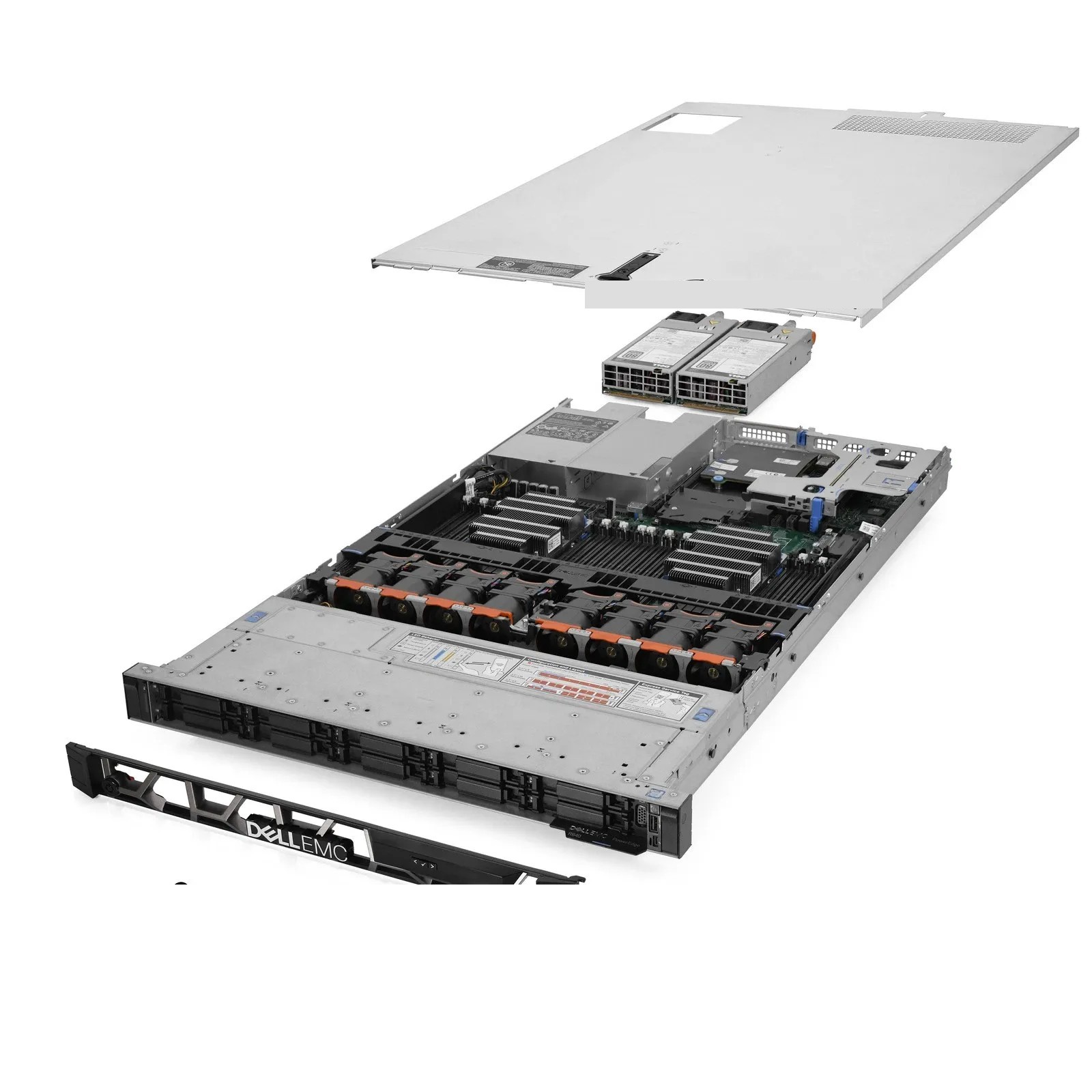
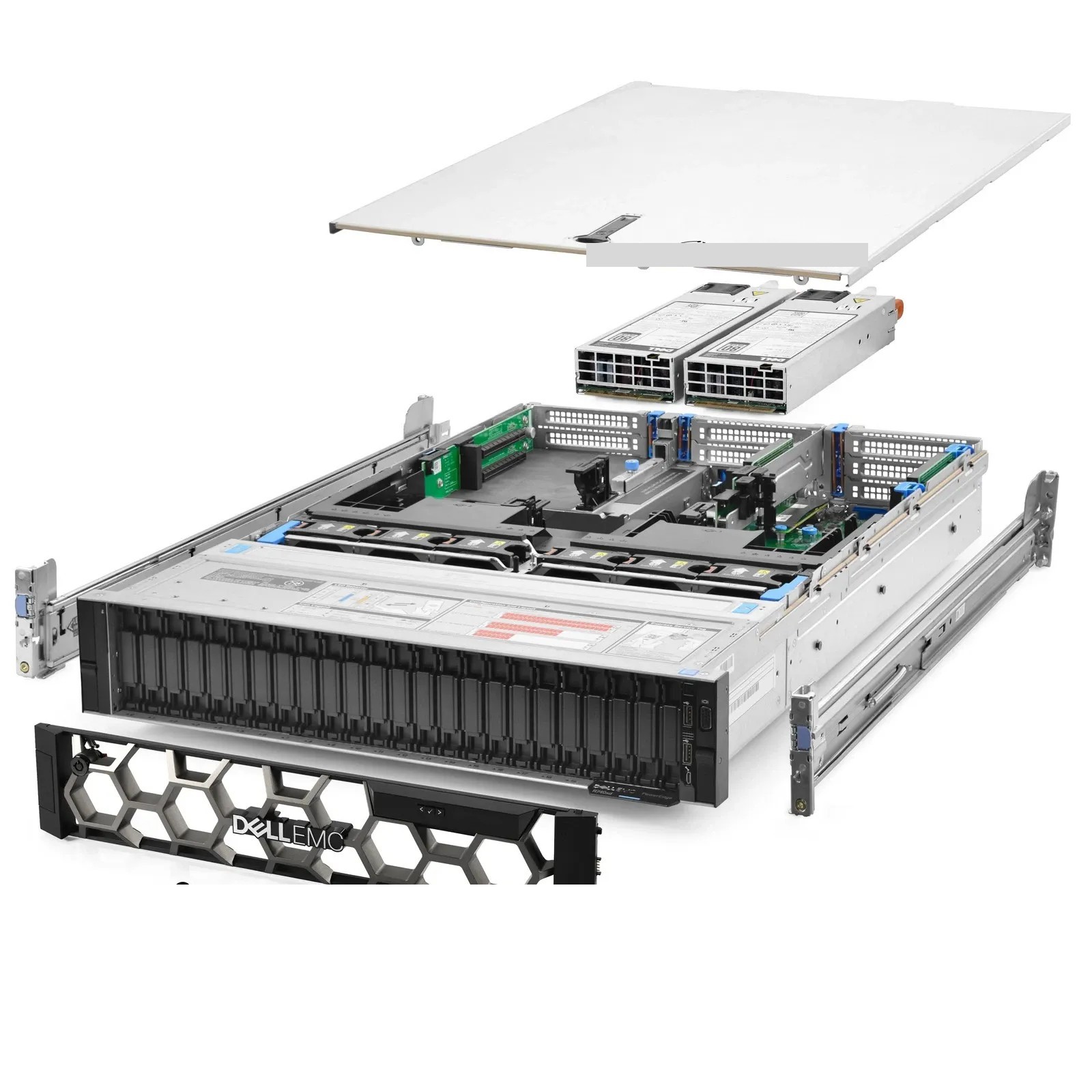
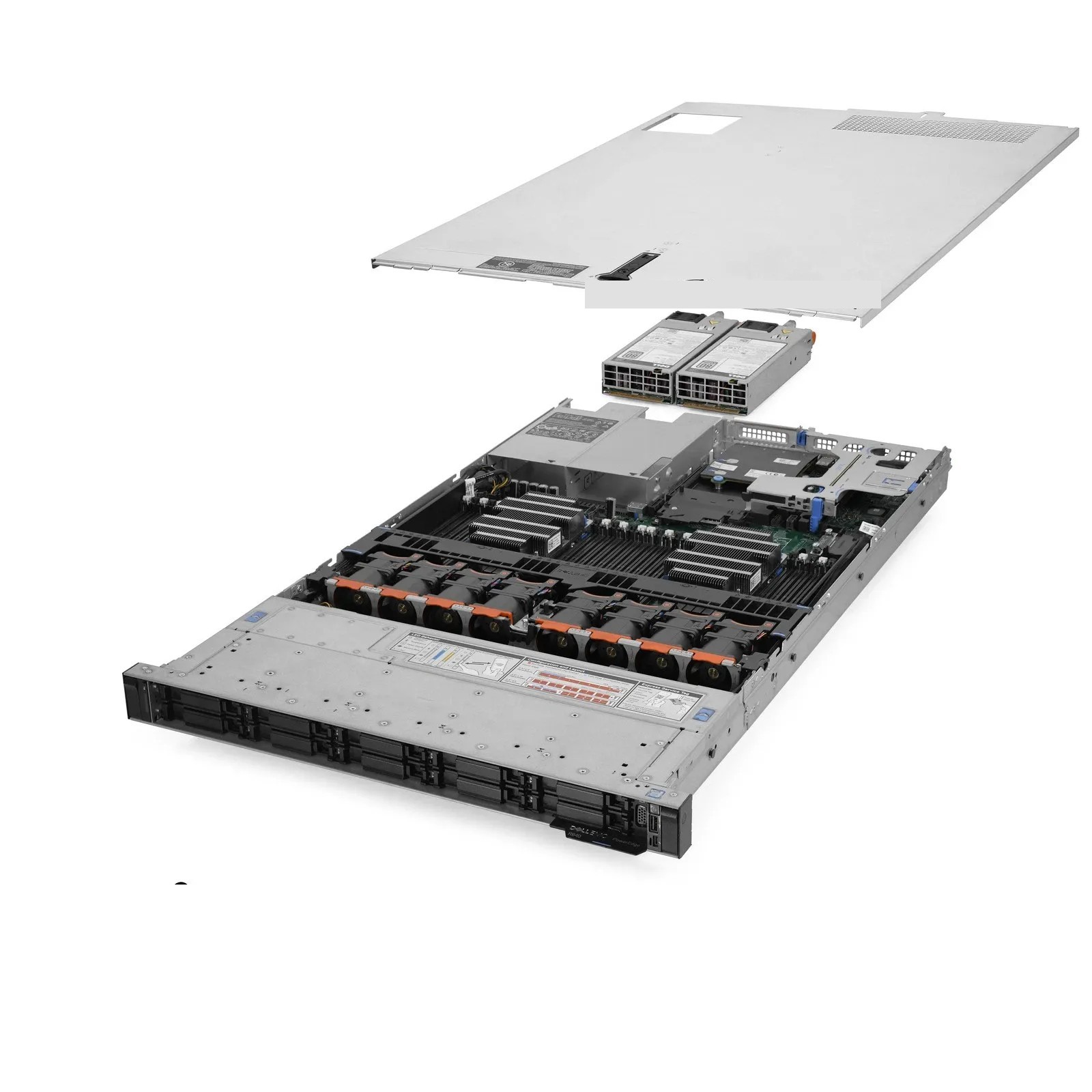
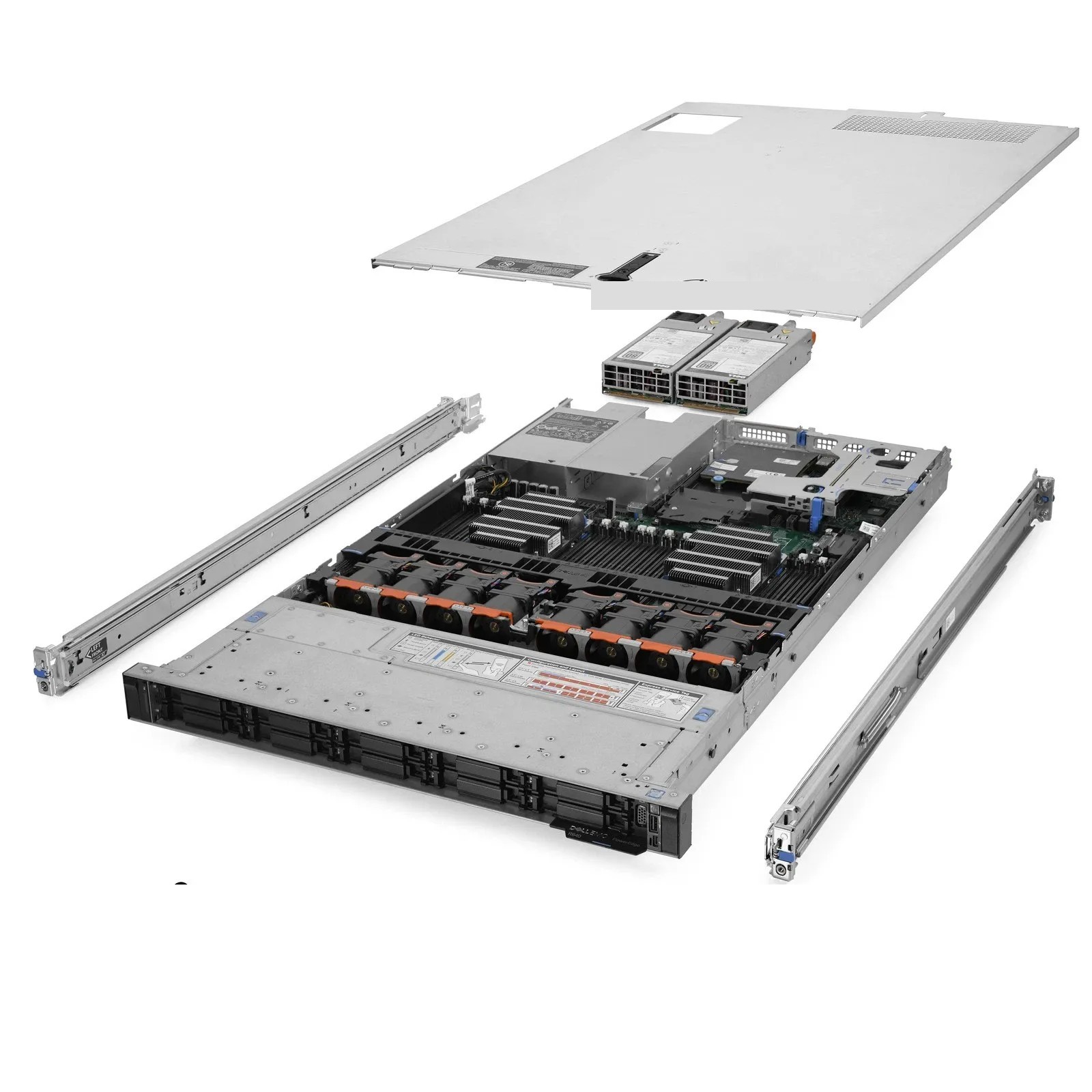
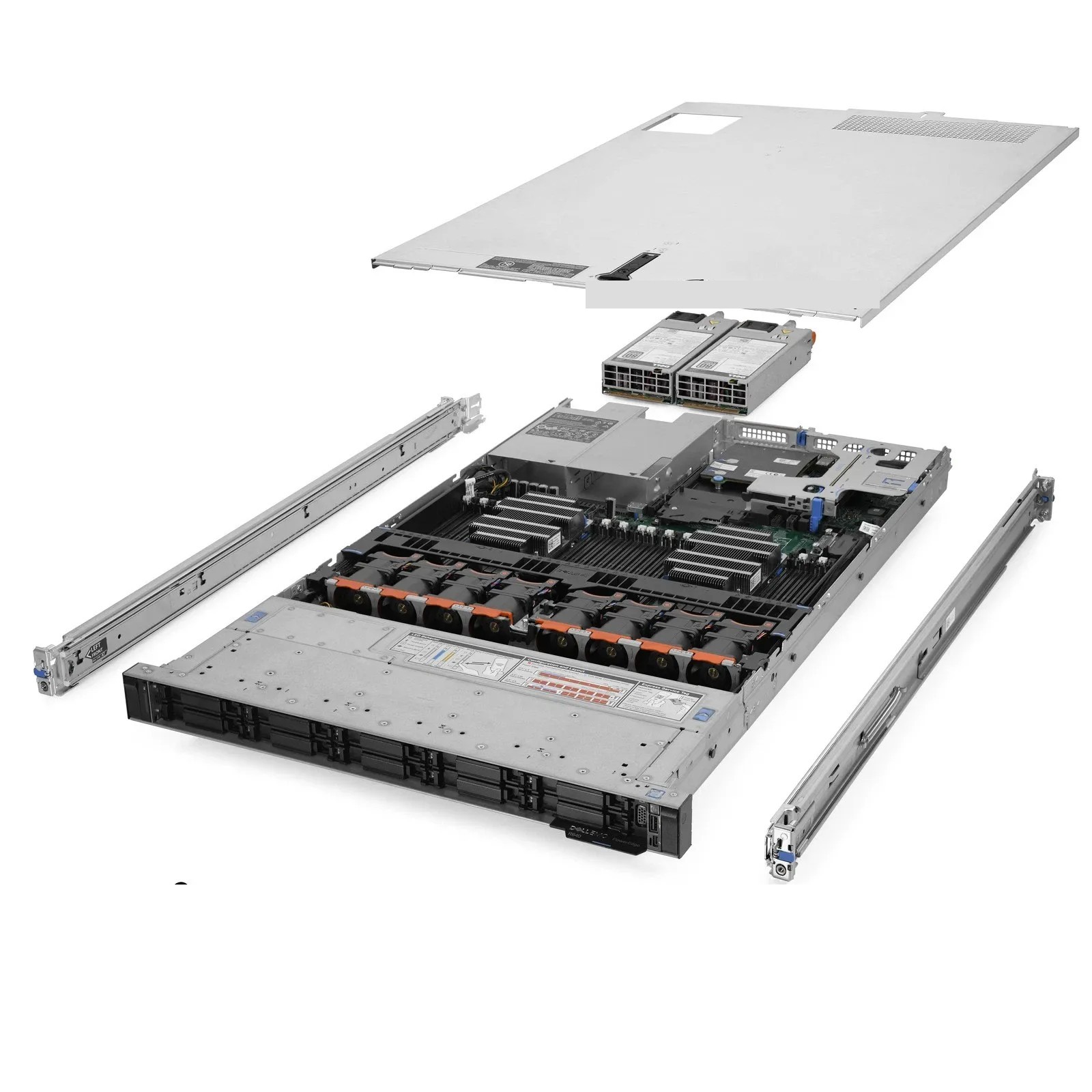
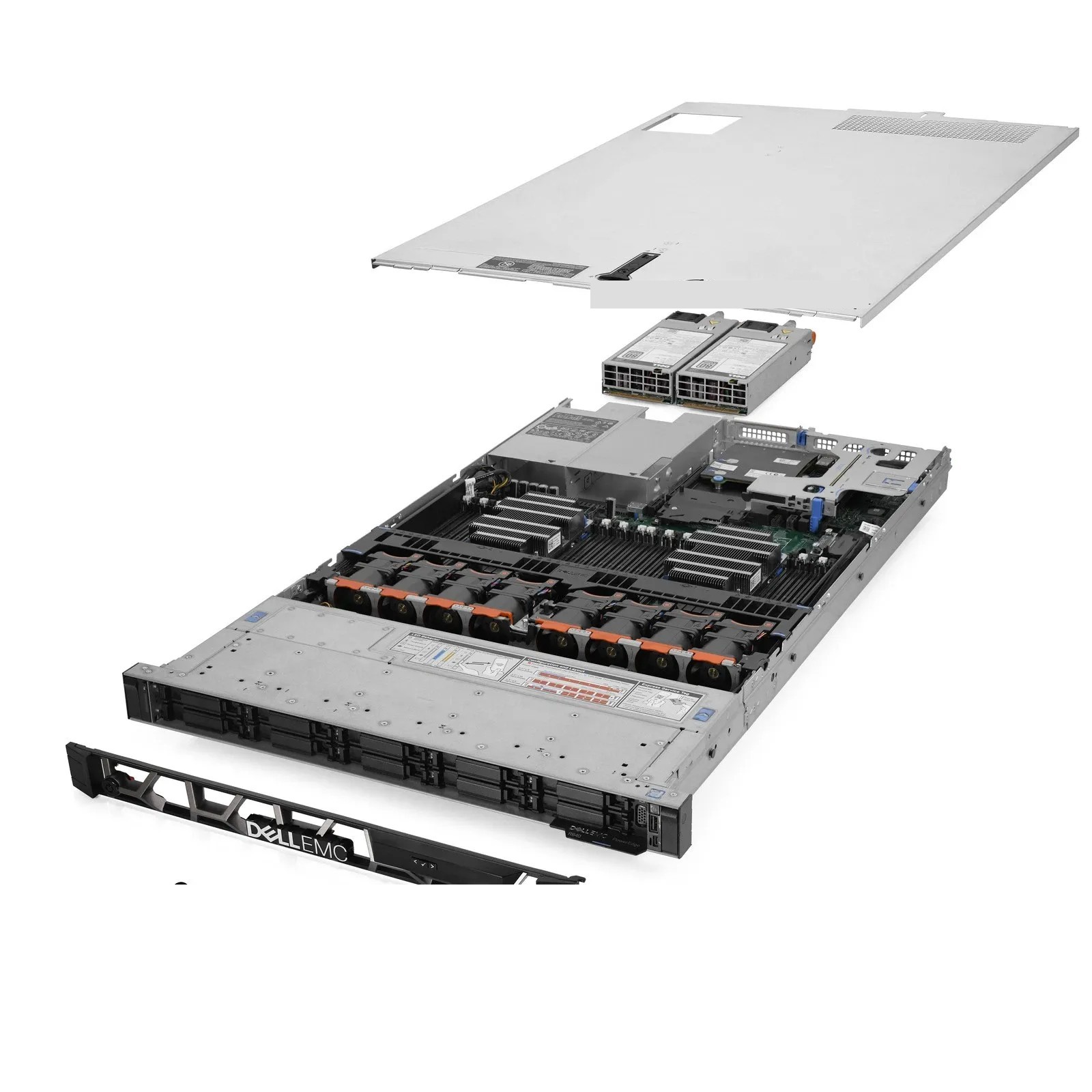
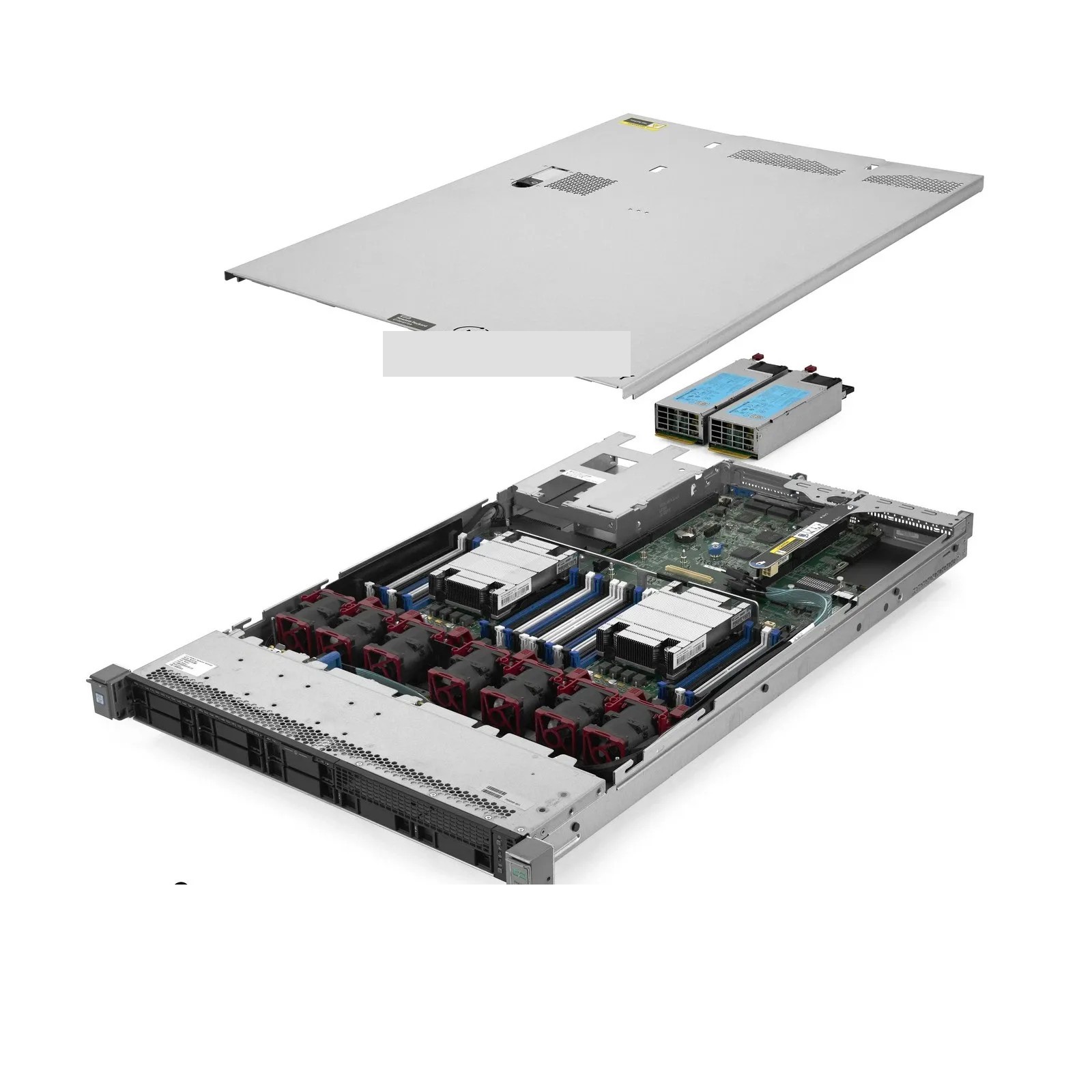
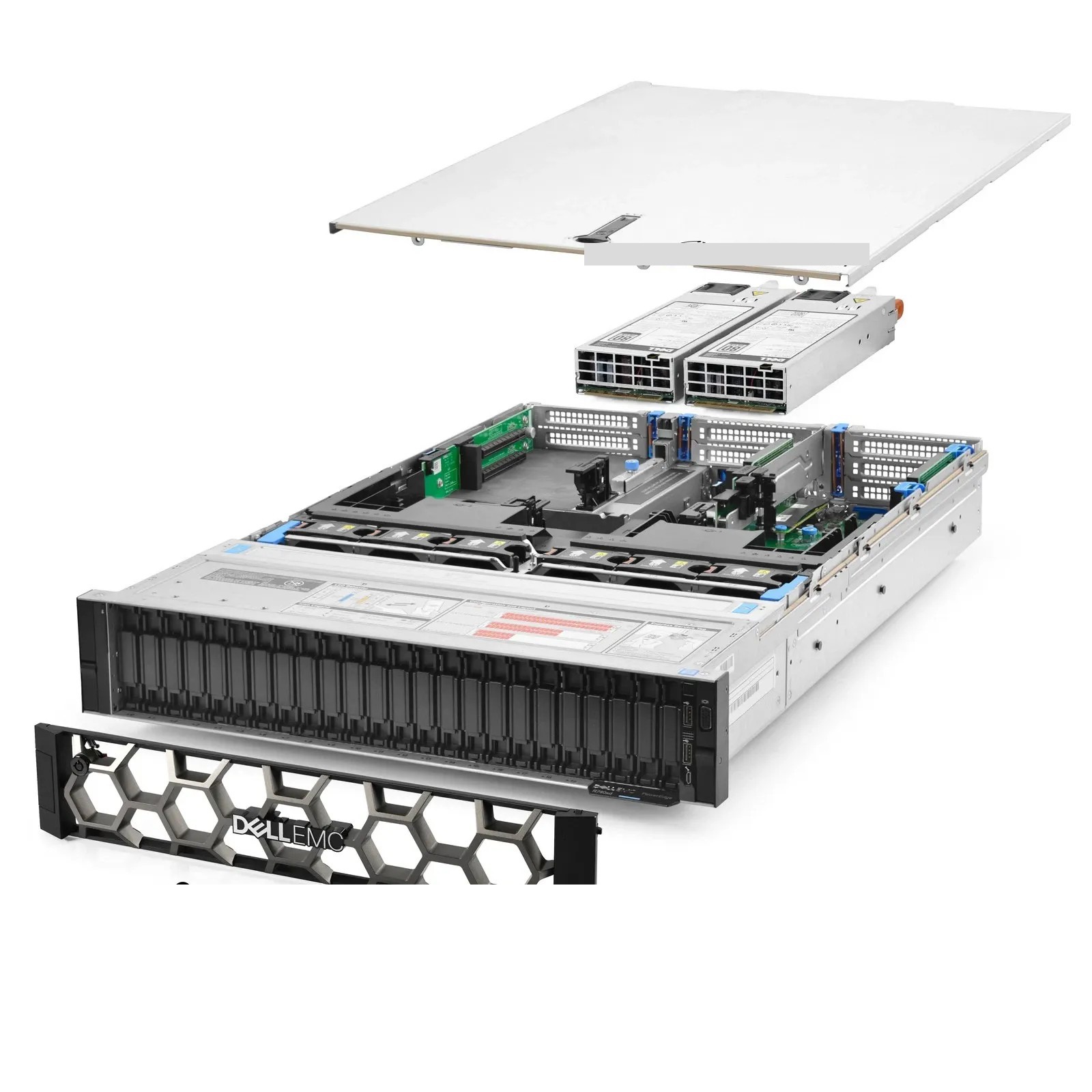
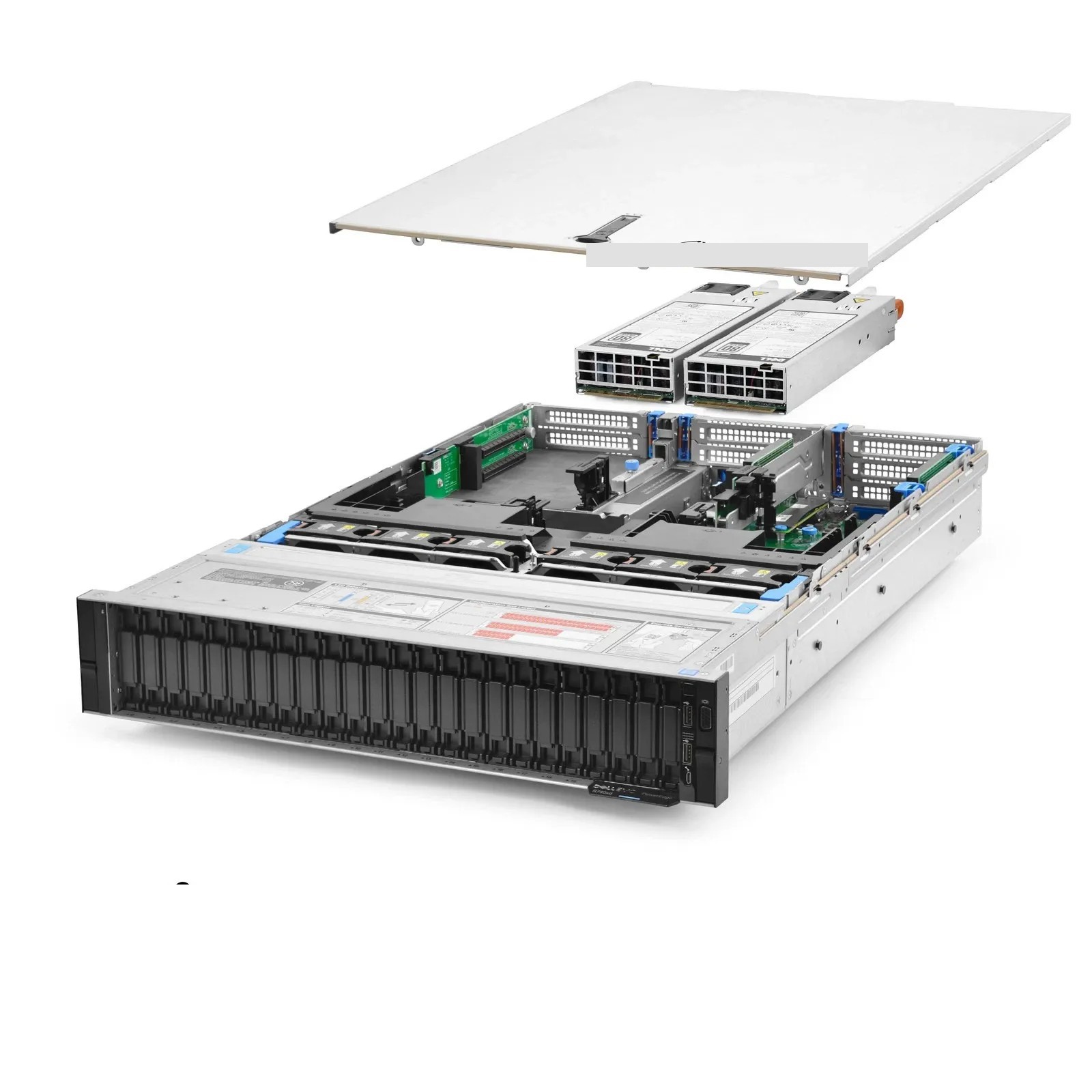
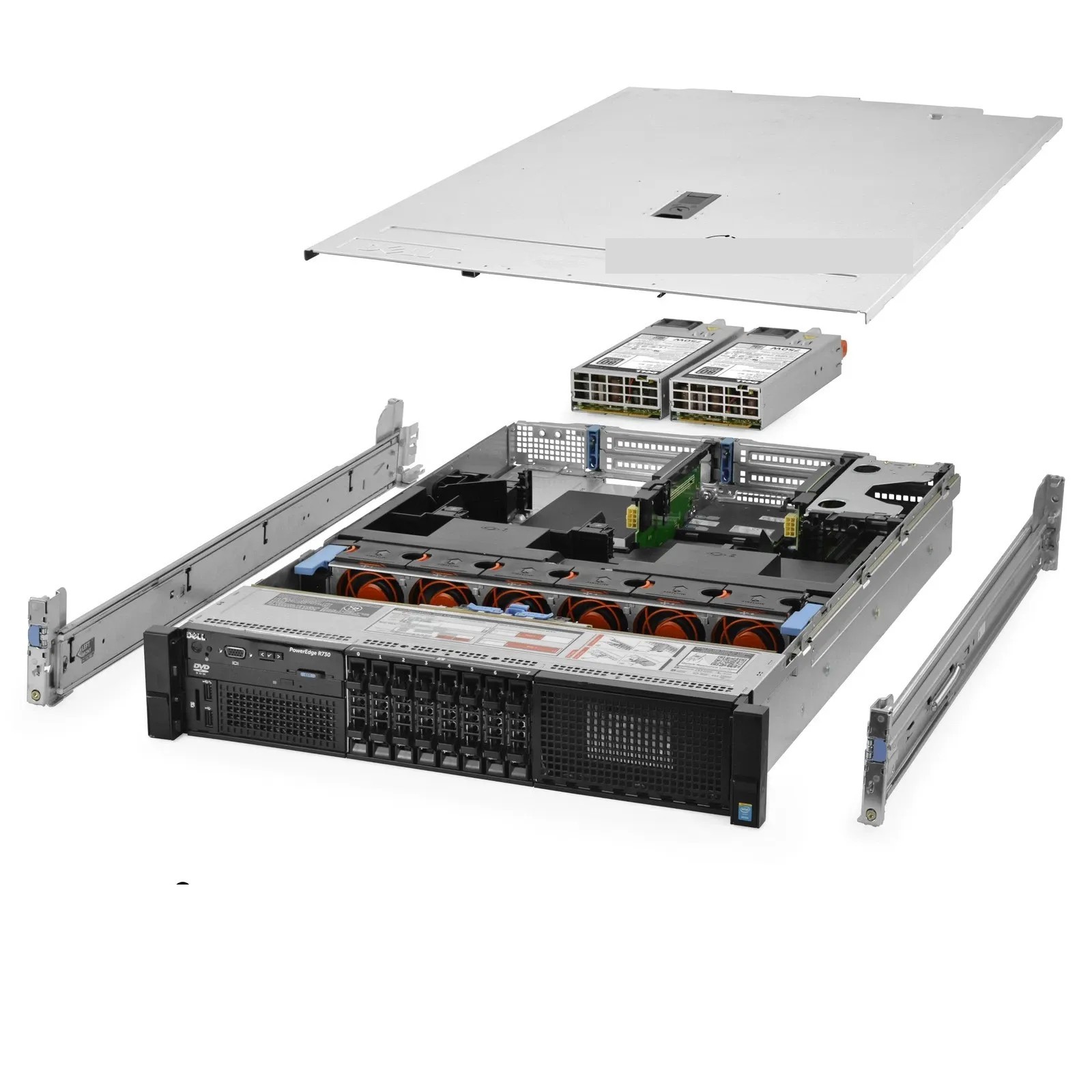
About rack and tower servers at Server Hub
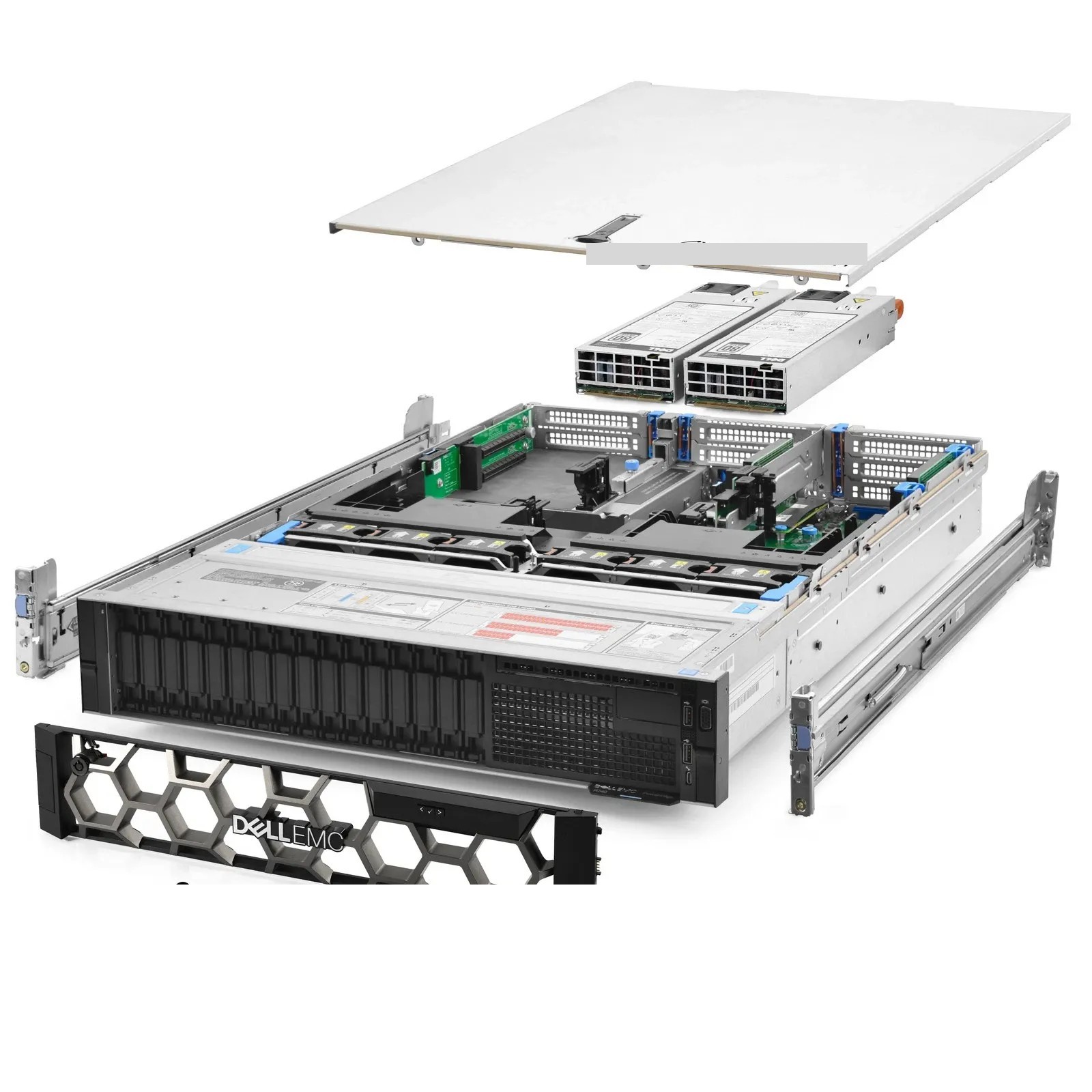
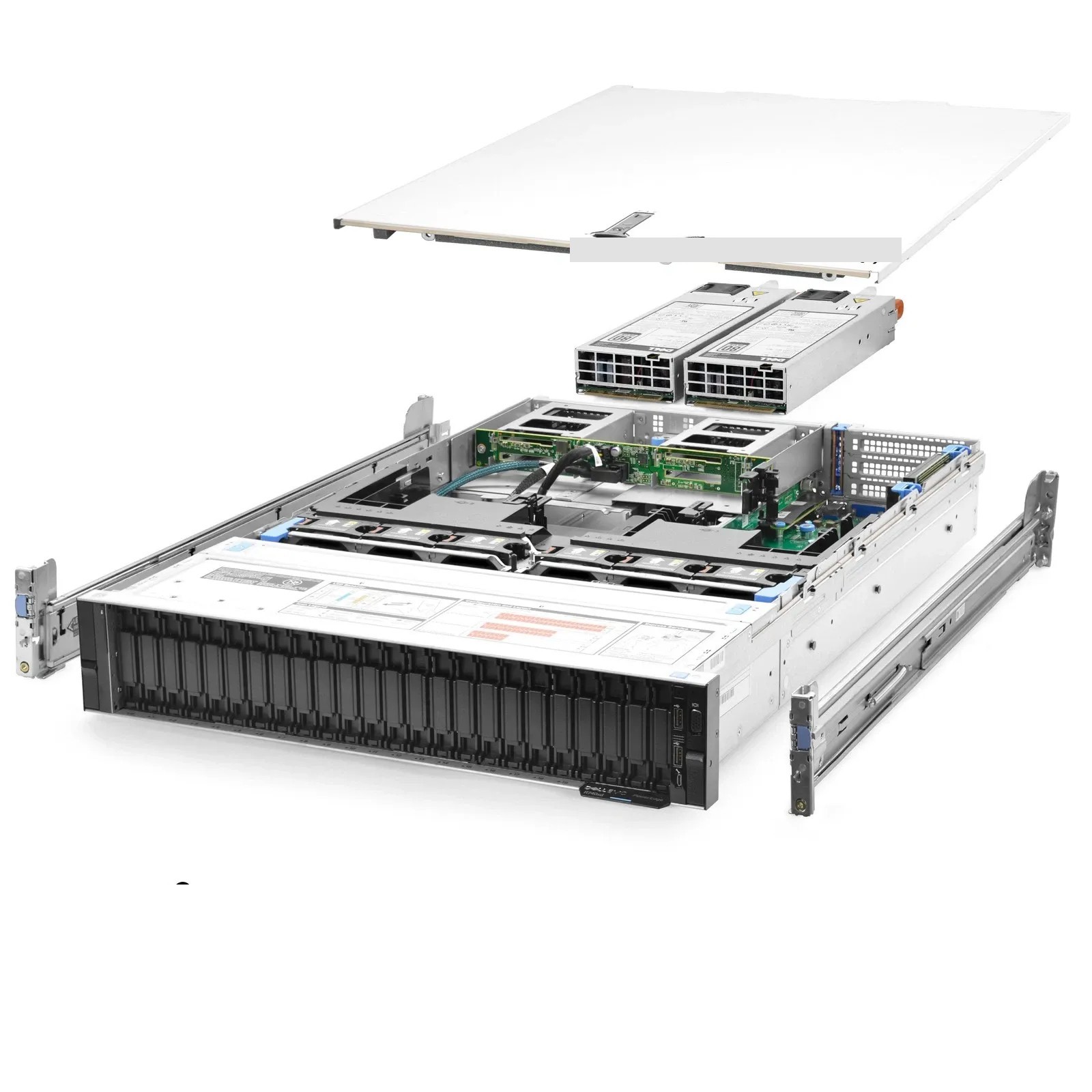
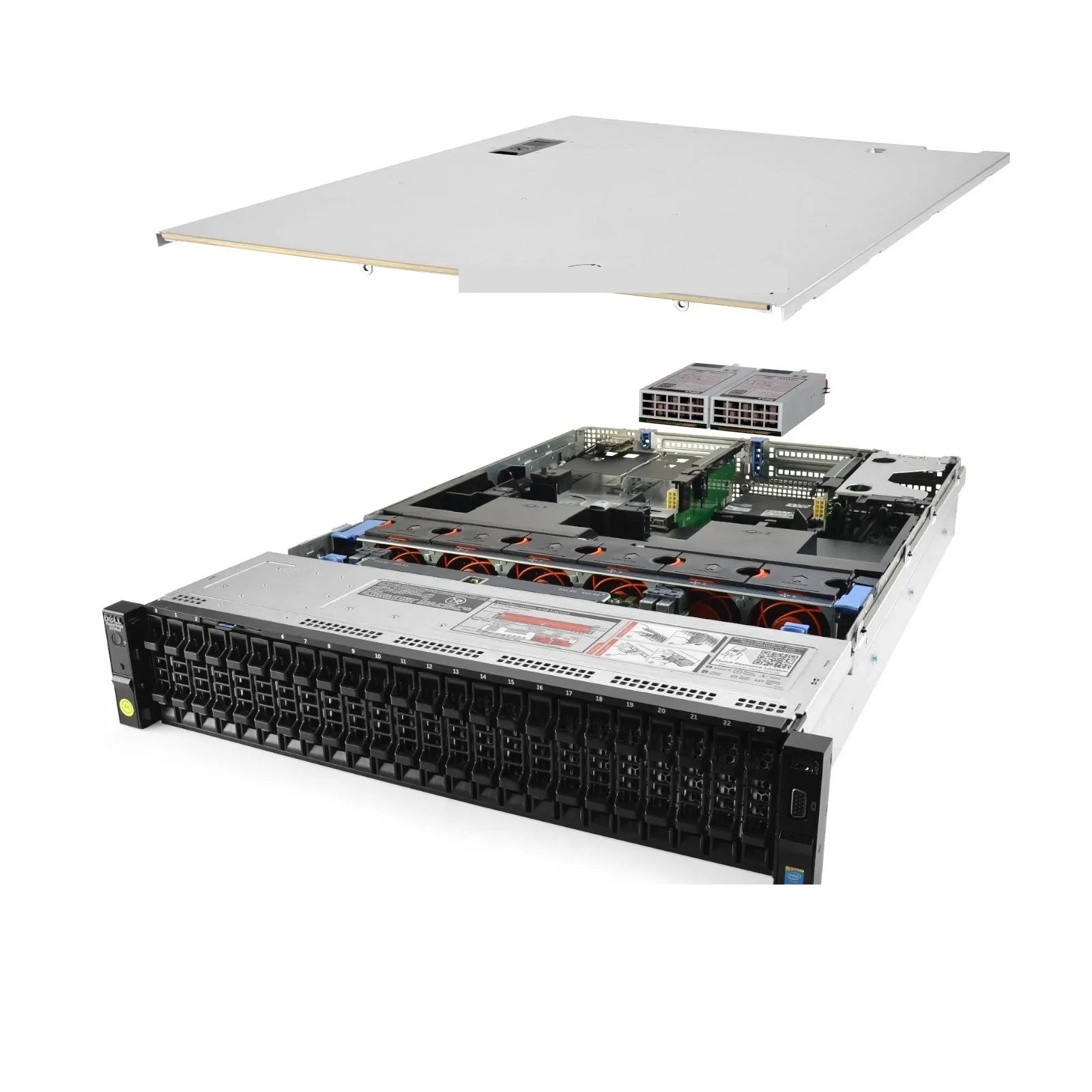
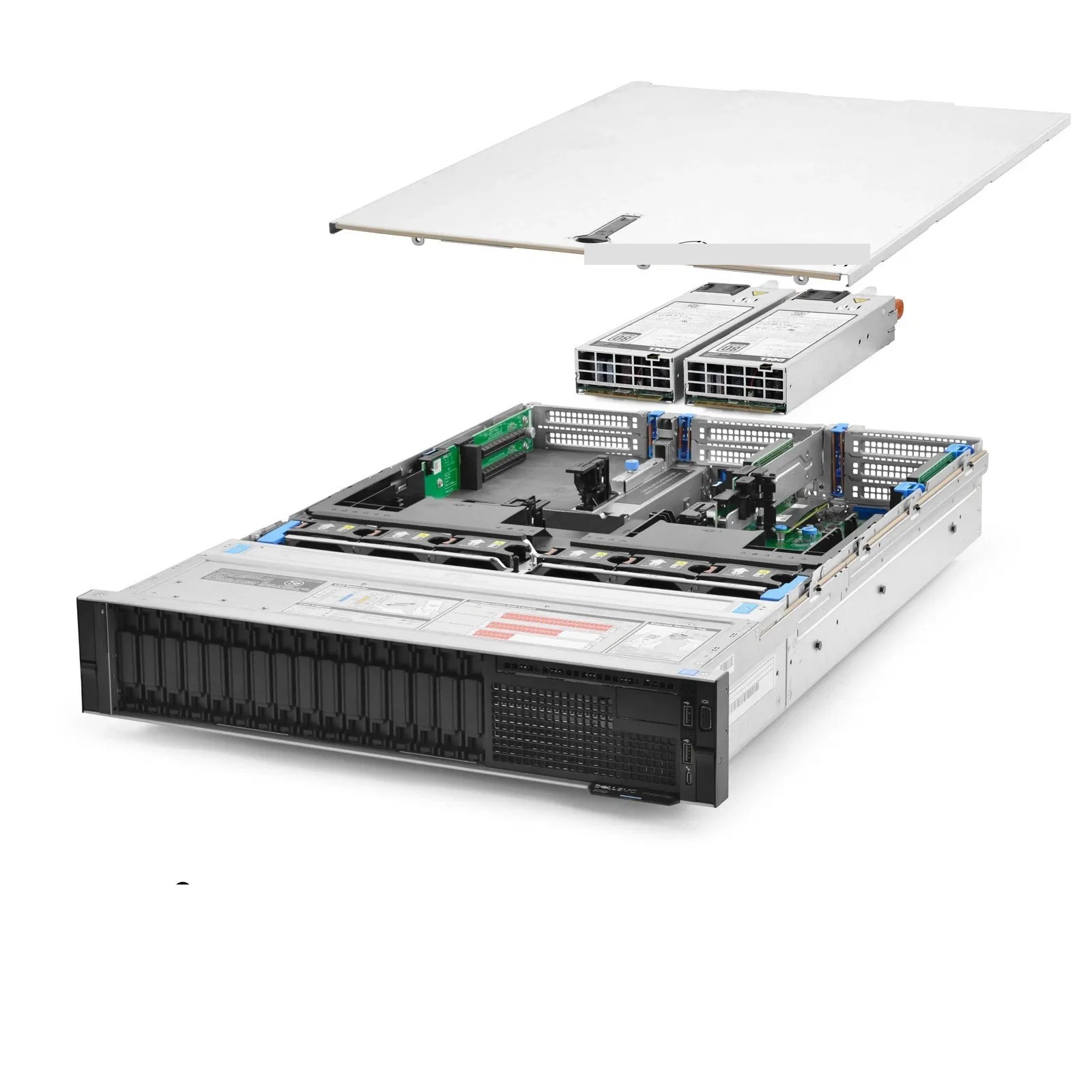
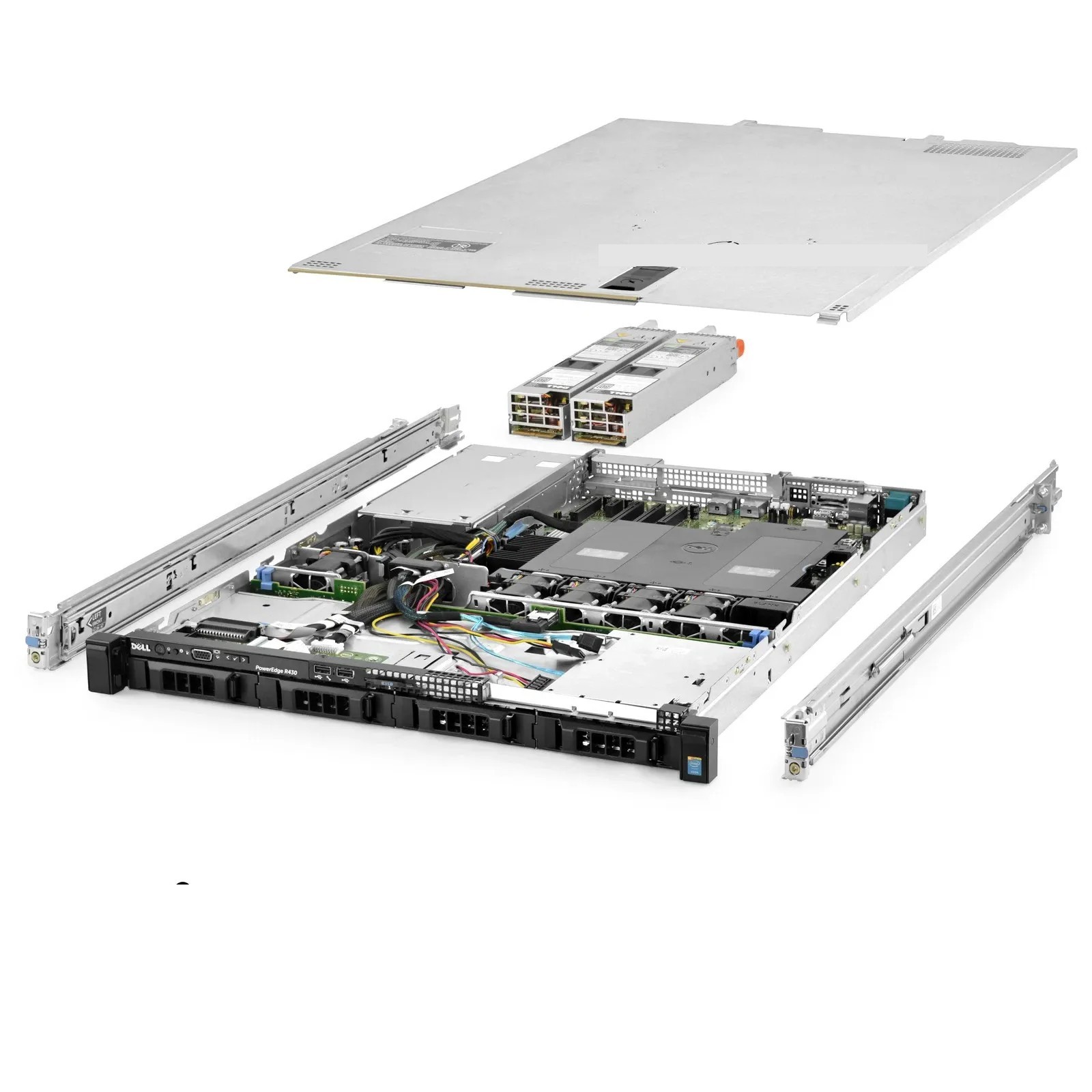
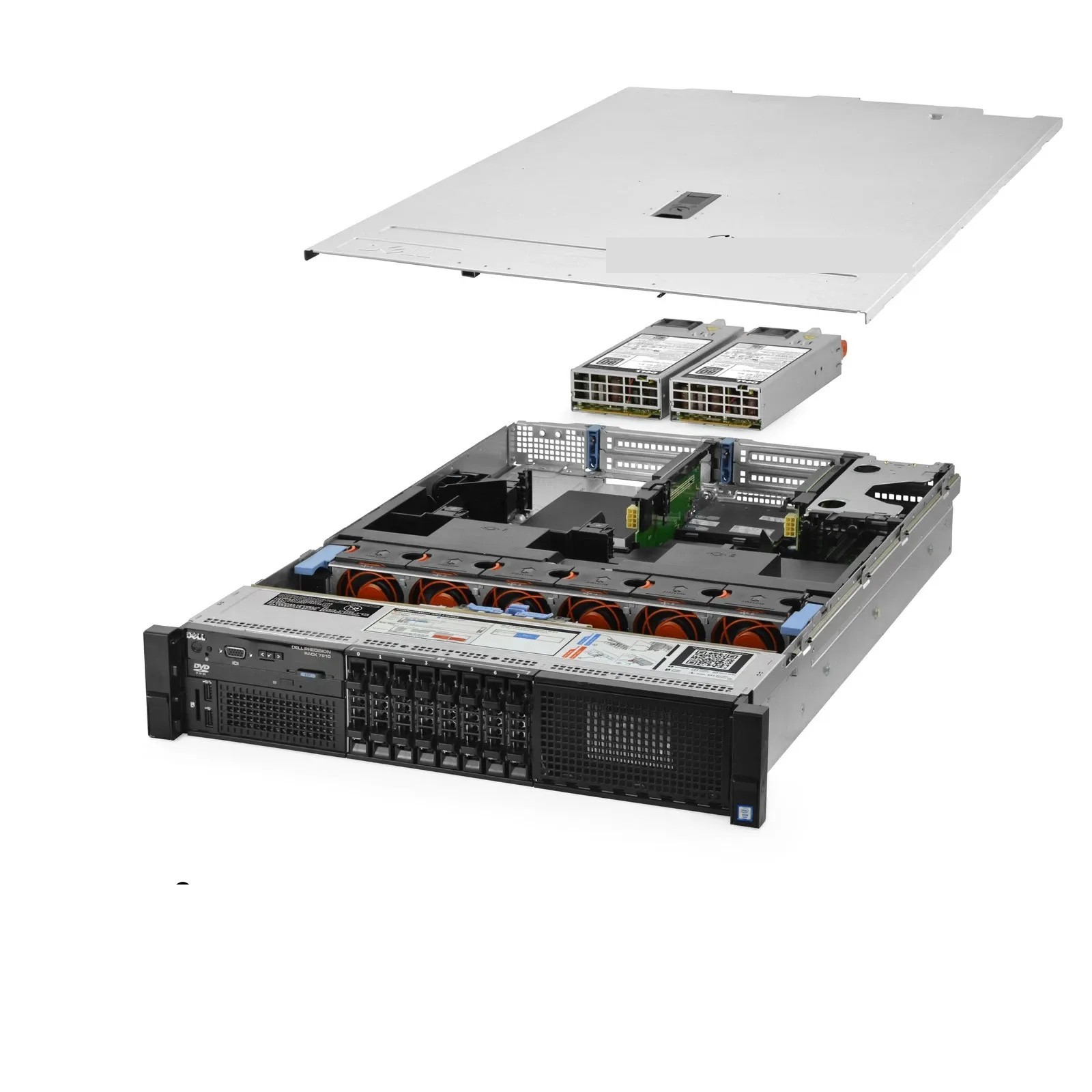
Rack and tower servers for businesses that have outgrown a desktop standing in for a server. The range centres on refurbished Dell PowerEdge — the R430, R630, R640, R730, R740 and R940 generations — enterprise machines built for Xeon processors, registered ECC memory, redundant power and hot-swap drive bays.
Refurbished is the honest value here. A previous-generation PowerEdge, properly reconditioned, carries far more compute, memory headroom and drive capacity per rand than a new entry-level tower, and the platform is built to run for years rather than a warranty cycle. Every unit is graded, priced in rand and backed by local warranty — you deal with us in Johannesburg, not an overseas RMA queue.
Sizing is the conversation worth having before you buy. Core count and memory decide how much you can virtualise; drive bays and RAID decide how your storage grows; form factor decides what fits your cabinet and your power budget. Send us the workload — virtualisation host, file and backup server, database, or a domain controller — and we will specify the chassis, the processors and the memory to match, rather than selling you the biggest box on the shelf.
Prices include duty and are shown in South African rand.
Frequently asked questions
What is a rack server?
- A rack server is a server built to mount horizontally in a standard 19-inch rack, its height measured in rack units (1U = 44.45mm). Racking servers lets a business stack many machines, plus switches and UPS, into one cabinet with shared power and cooling — far denser and tidier than towers on a shelf.
What is the difference between a rack server and a tower server?
- A tower server stands alone like a desktop and suits a single server in an office; a rack server mounts in a cabinet and suits multiple machines in a server room. Rack is denser and easier to cable and cool at scale; tower is cheaper to start and quieter at a desk. Server Hub stocks both.
What does 1U, 2U and 4U mean on a server?
- U is the rack-height unit (1U = 44.45mm). A 1U server is one slot high — dense but limited on drives and cooling; a 2U server has room for more drives, bigger heatsinks and expansion cards; 4U servers hold the most storage and GPUs. Match the U-height to your drive and expansion needs, and to your cabinet.