NVIDIA
About NVIDIA at Server Hub
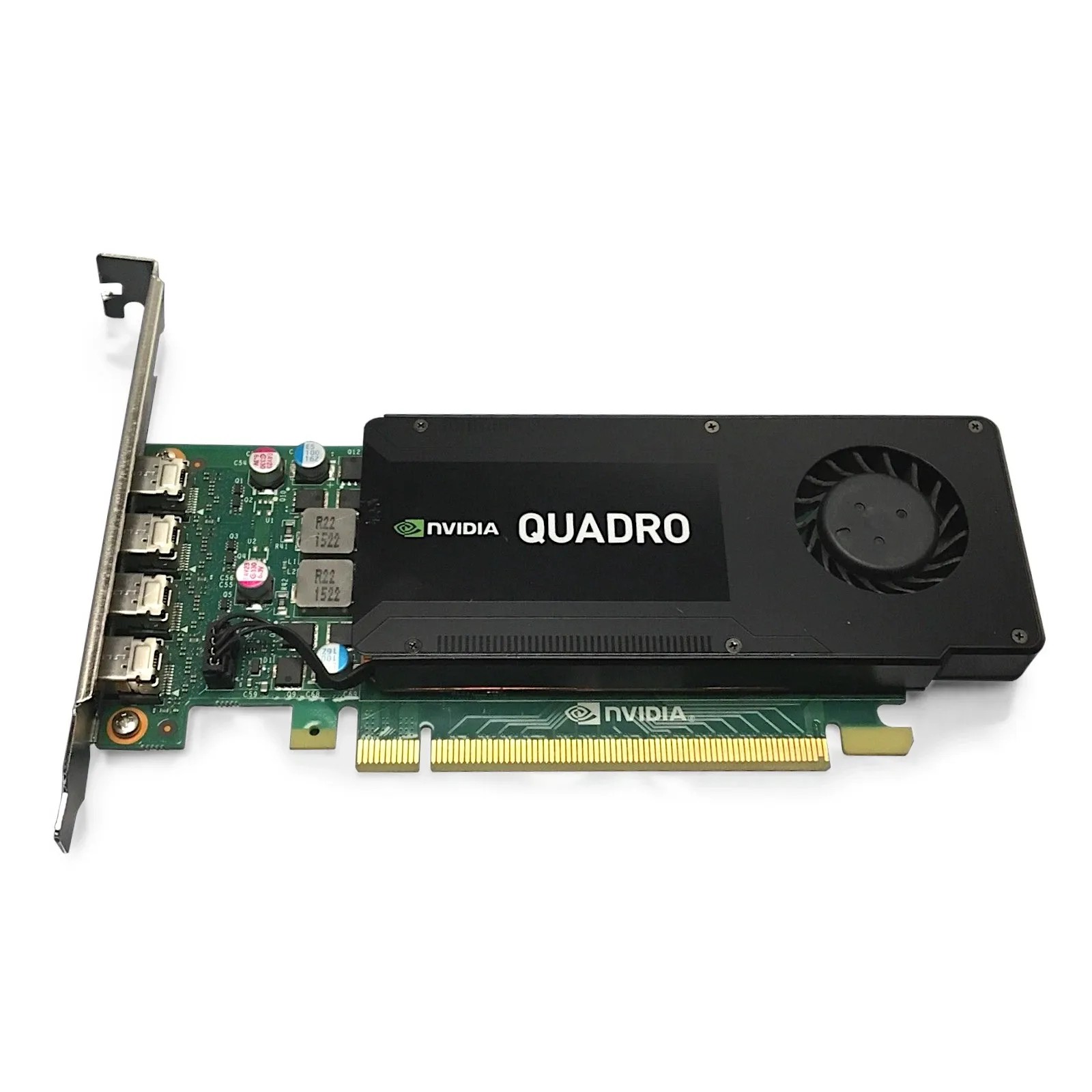
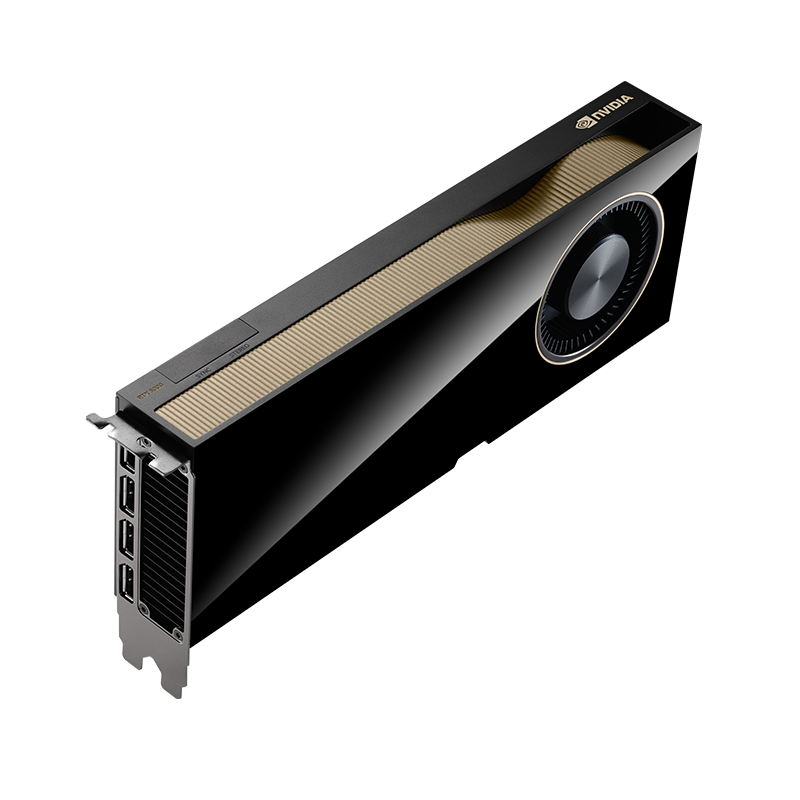
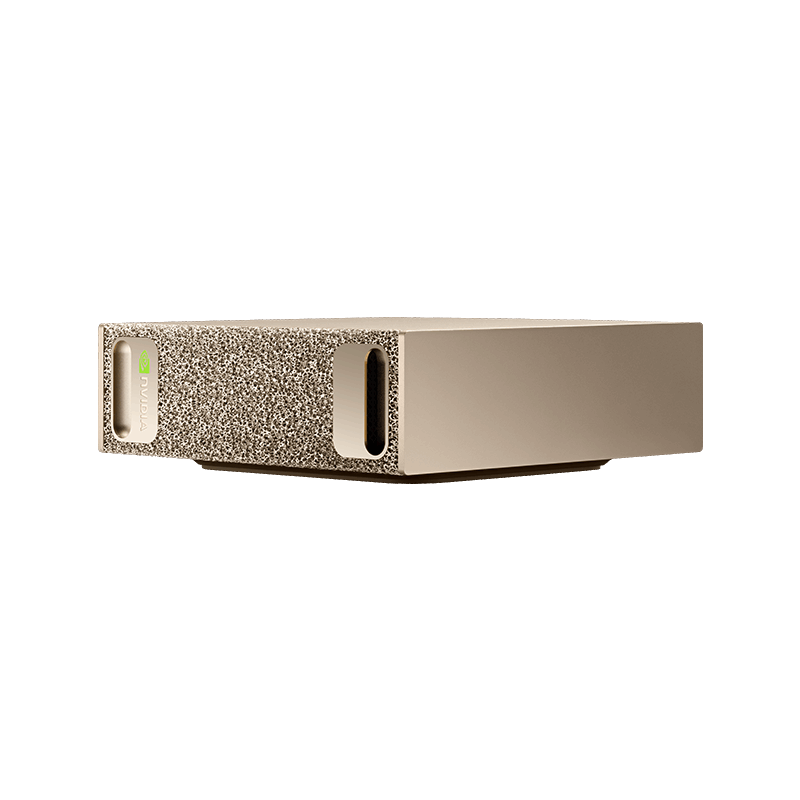
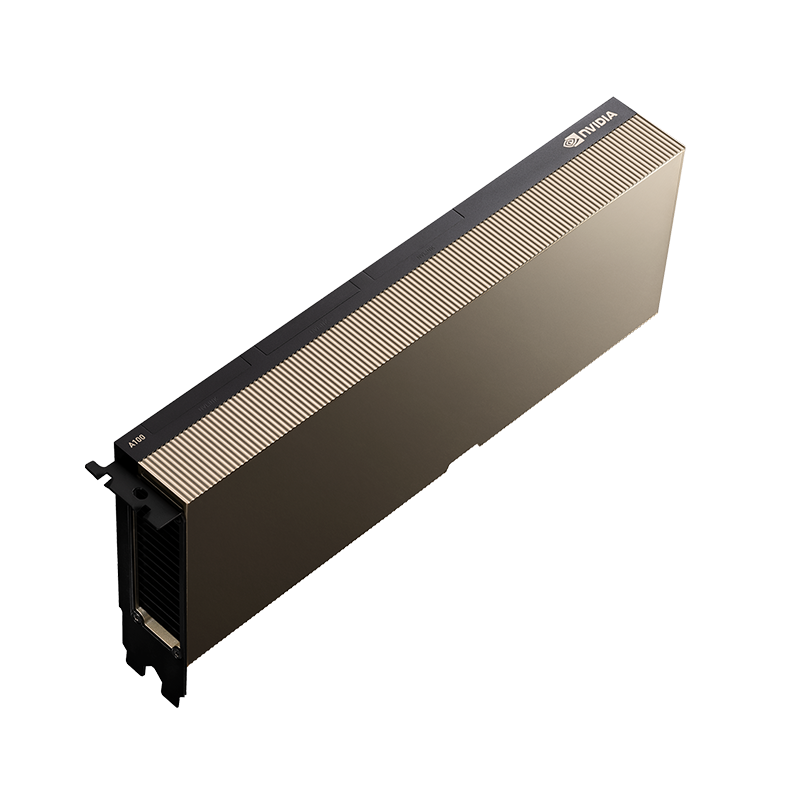
Our NVIDIA range is short by design: the AI and workstation hardware South African teams actually buy, rather than a wall of consumer graphics cards. That means DGX Spark for desk-side model development, A100 accelerators for training, and RTX 6000 Ada class workstation GPUs for the professional visualisation, simulation and inference work that sits between the two.
This is the part of the market where getting the specification wrong is expensive. The question is almost never "which is fastest" — it is how much memory a single accelerator gives you, because a model that fits in VRAM trains at a completely different speed to one that does not. Forty-eight gigabytes on a workstation card is the difference between iterating locally and queuing for shared cluster time; the unified memory on a DGX Spark is the difference again for larger models.
We land this hardware in rand with VAT and duty included, so you are quoting a delivered figure rather than a dollar price plus an exchange-rate surprise. For anything at this value we would rather quote you formally than have you cart it: send the workload — model sizes, whether you are training or serving, how many people share the machine — and we will specify against it.
Practical South African considerations we will raise unprompted: sustained power draw, whether your UPS actually carries the load, and cooling in a room that was specified for desktops. A workstation GPU that throttles is a slow GPU.
Server Hub is an independent reseller. NVIDIA, DGX and RTX are trademarks of NVIDIA Corporation, used here for identification.
Where NVIDIA fits
NVIDIA — frequently asked questions
What is the DGX Spark for?
- Desk-side AI development. It puts enough unified memory next to a developer to build, fine-tune and test models locally instead of queueing for shared cluster time. It is a development machine rather than a production training cluster.
Workstation GPU or a data-centre accelerator?
- If the machine sits under a desk and one person uses it, a workstation card is usually right. If it lives in a rack, is shared, and runs continuously, a data-centre accelerator is built for that duty cycle. Tell us which and we will quote accordingly.
How much GPU memory do I need?
- Enough that your model and its working set fit. That single constraint dominates everything else — a model that fits in VRAM trains and serves at a completely different speed to one that spills. Send us the model sizes you work with and we will size it.
Are prices landed, or do I pay duty later?
- Landed. Prices are quoted in rand with VAT and import duty included, so the figure you approve is the figure you pay. There is no exchange-rate adjustment at checkout.
What should I plan for on power and cooling?
- Sustained draw rather than peak, and a UPS that genuinely carries it. Also cooling — this hardware is often installed in rooms specified for desktops, and a card that throttles is a slow card. We will raise both before you order.
Can you quote a full AI workstation rather than a card?
- Yes, and for most buyers that is the better route. Send the workload and we will specify the whole machine — CPU, memory, storage and power — rather than selling you an accelerator that the rest of the system cannot feed.