ASUS Launches Full AI Factory Platform with Vera Rubin Racks and Edge Compute
Compiled by the Server Hub newsroom · Edited by Humphrey Theodore K. Ng’ambi
Updated 7 September 2026
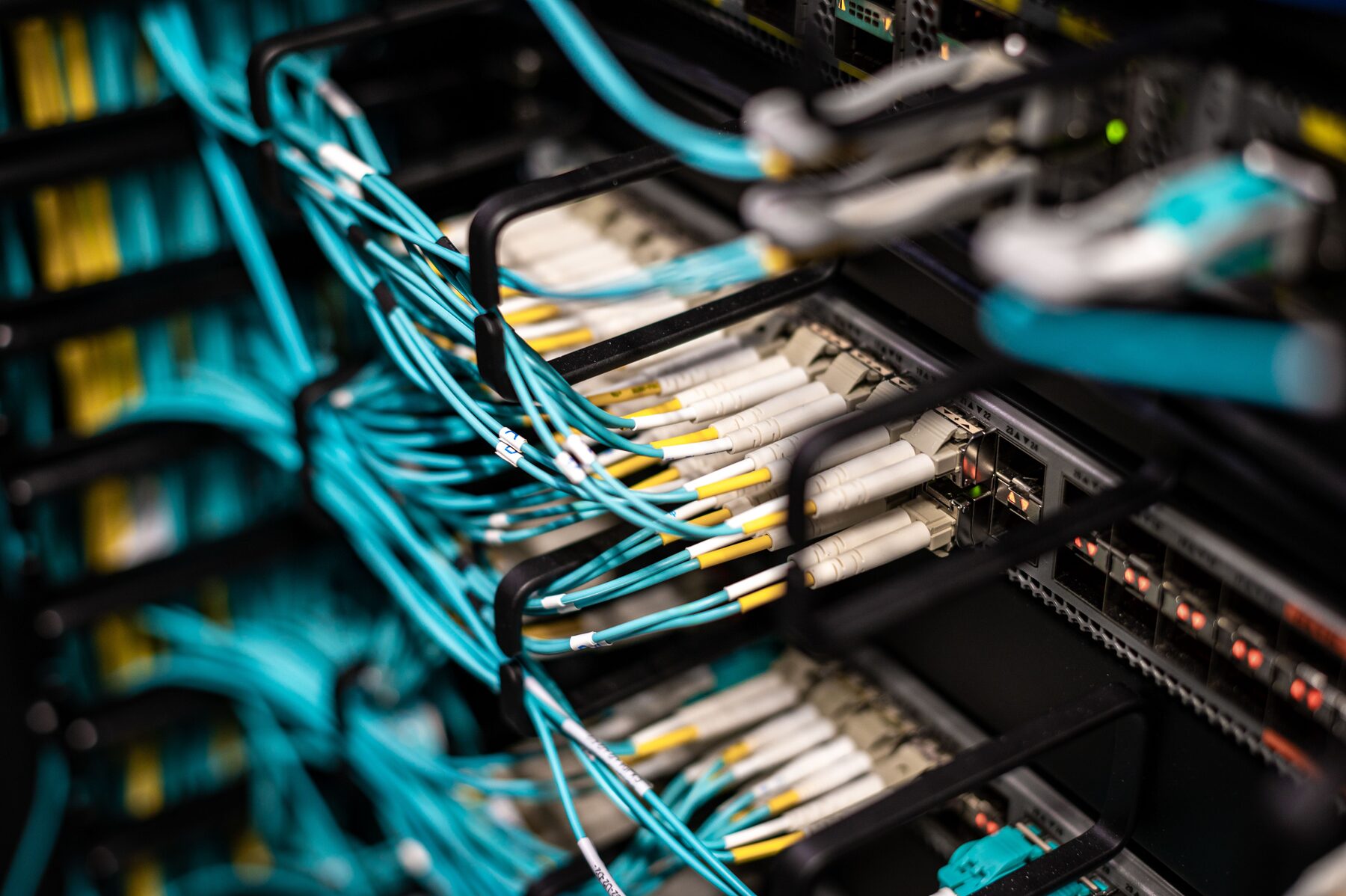
Moving beyond standalone hardware, ASUS integrates compute, storage, and governance software to simplify high-density AI deployments.
ASUS is aggressively expanding its enterprise footprint, transitioning from a traditional server manufacturer to a provider of complete AI factories. By integrating compute, networking, storage, and governance software into a single platform, the company is directly challenging established rack-scale vendors. For South African enterprises, this unified approach simplifies procurement and offers a more predictable path for deploying high-density AI infrastructure.
Vera Rubin Racks Deliver High-Density AI Compute
At the core of this new strategy is the ASUS AI POD XA VR721-E3, a comprehensive rack-scale system built on the NVIDIA Vera Rubin NVL72 architecture. According to StorageReview, ASUS claims this new generation delivers ten times the performance per watt of its predecessor. This massive efficiency gain is a critical metric for local data centres.
When running high-density AI workloads, power efficiency directly translates to improved load-shedding resilience. Lower power draws allow facilities to stretch their UPS and generator capacities much further during extended grid outages. South African IT buyers evaluating these racks must factor these operational savings into their total cost of ownership, offsetting the initial capital outlay in rands.
Alongside the flagship rack, ASUS is introducing the XA NR1I-E12LR and XA NR1I-E12L systems, which utilise the NVIDIA HGX Rubin NVL8 architecture. These units are targeted at intensive AI training and post-training workloads. For agentic AI tasks, the 2U XA P2N-E2 leverages the NVIDIA MGX architecture with dual Vera CPUs and support for two dual-slot GPUs.
Integrating Core Storage and Multi-Vendor Processing
A true AI factory requires robust data pipelines capable of feeding high-speed GPUs without bottlenecking. ASUS is addressing this by bringing storage directly into its broader infrastructure strategy. The new UF920-E3-RS24 utilises the NVIDIA STX modular foundation for AI-native storage, supported by the OJ340A-RS60 object storage and VS320D-RS26N systems.
Procuring compute and storage from a single ecosystem significantly simplifies warranty management and ongoing support. When local enterprises deploy these integrated systems, they avoid the finger-pointing that often occurs between disparate hardware vendors. Working with an enterprise supplier that absorbs the freight, import duties, and warranty logistics ensures these complex deployments remain on schedule.
ASUS is also maintaining broad processor support, introducing new systems based on Intel Xeon 6 and AMD EPYC 9006 Series processors. The AMD lineup includes the ESC8000A-E13P, which pairs AMD server hardware with Instinct MI350P PCIe accelerators. This multi-vendor approach gives local buyers the flexibility needed to navigate fluctuating lead times and currency volatility.
Enterprise Inference and Visual Computing
For businesses that do not require full rack-scale training clusters, ASUS is expanding its enterprise inference portfolio. The ESC8000-E12P server supports NVIDIA RTX PRO 6000 and RTX PRO 4500 Blackwell Server Edition GPUs. This system is specifically positioned for vision AI and visual computing tasks within standard corporate data centres.
Deploying these Blackwell-based servers allows South African firms to run sophisticated internal AI models without the massive capital requirements of HGX systems. Because these units handle enterprise inference efficiently, they are well-suited for integration into existing server racks. This provides a highly scalable upgrade path as local AI adoption matures.
Intel-based environments are also receiving targeted upgrades for enterprise workloads. The 6U XA P8I-E13A utilises Intel’s next-generation Xeon processor platform with built-in support for GPU acceleration. By supporting both traditional enterprise workloads and accelerated computing, these servers help IT departments consolidate their hardware footprint and streamline their ongoing maintenance routines.
Managing Operations from the Data Centre to the Edge
Hardware is only part of the AI factory equation. ASUS is extending its reach into infrastructure planning using the NVIDIA DSX Sim Blueprint. This tool allows engineers to create digital twins of proposed AI environments, modelling power, cooling, and facility infrastructure alongside partners like Schneider Electric and IBM before physical installation begins.
Once deployed, the ASUS Control Center and a dedicated MLOps Portal handle resource management and deployment workflows. Crucially, ASUS has added a governance layer that connects enterprise policies with autonomous agents. This ensures organisations retain strict control over access and resource allocation, a vital compliance requirement for South African corporate governance and data sovereignty.
Finally, ASUS is pushing AI capabilities directly to the industrial edge. The PE3000N uses the NVIDIA Jetson Thor T5000 module for real-time inference, while the rugged RUC-2000 series leverages Intel Core Ultra Series 3 processors. These fanless systems tolerate electrical noise and wide temperature ranges, making them ideal for local mining and manufacturing environments.
Planning for Deployment and Availability
While ASUS servers are available worldwide, the rollout of specific AI factory components will depend on regional regulatory approvals. South African businesses should begin mapping their infrastructure requirements now, particularly for high-demand systems like the Vera Rubin racks. Early planning is essential to secure production slots and manage extended global lead times.
Because these platforms represent a significant capital investment, accurate rand budgeting requires locking in specifications early. Partnering with a local supplier that handles the complex importation process protects your budget from unexpected shipping surcharges. This allows IT teams to focus entirely on software integration and facility readiness rather than customs paperwork.
The shift toward unified AI factories means businesses no longer need to piece together their infrastructure from scratch. By leveraging ASUS’s comprehensive hardware and software stack, local enterprises can accelerate their AI deployments. This integrated approach ultimately reduces operational risk and delivers a faster return on investment for complex compute projects.
Frequently asked questions
- How does the ASUS AI factory approach differ from buying standard servers?
- Instead of just supplying hardware, ASUS provides a complete ecosystem. This includes NVIDIA DSX Sim Blueprint for digital twin planning, integrated STX storage, and a software governance layer to manage AI workloads and enterprise policies post-deployment.
- Are the new ASUS AI servers limited to NVIDIA processors?
- No. While flagship racks use NVIDIA Vera Rubin architectures, ASUS has also launched systems using Intel Xeon 6 processors and AMD EPYC 9006 Series processors, providing flexibility for different enterprise workloads and budgets.
- Why is power efficiency critical for AI servers in South Africa?
- AI workloads draw massive amounts of power. Highly efficient systems like the Vera Rubin NVL72 racks reduce the overall electrical load, allowing your existing UPS and generator infrastructure to run longer during extended grid outages.
Browse at Server Hub
Sources
- ASUS Lays Out a Full AI Factory Platform: Vera Rubin NVL72 Racks, STX Storage, and a Governance Layer · StorageReview
Compiled by the Server Hub newsroom from the reporting above. Every factual claim is checked against those sources before publication, and every source is linked so you can verify it yourself. How we work.
The Server Hub briefing
South African IT hardware news, once a week.
What’s new, what it costs in rand, and what it means for the kit you run — servers and storage, networking, backup power, surveillance and print. Every claim checked against a named source.