MTN Drives 150MW Local Data Centre Expansion for Enterprise AI
Compiled by the Server Hub newsroom · Edited by Humphrey Theodore K. Ng’ambi
Updated 26 August 2026
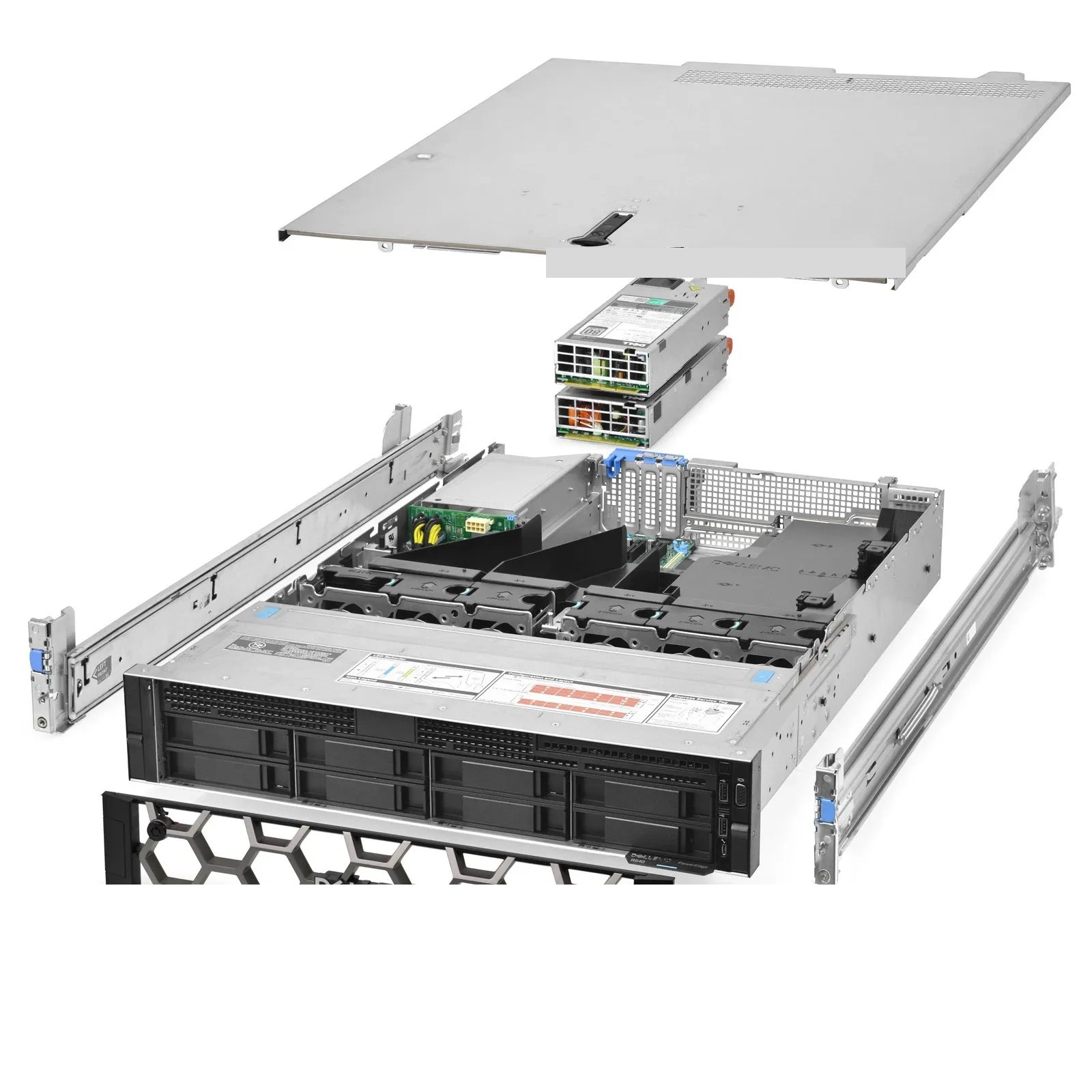
MTN's capital-light, UAE-backed infrastructure play promises to reshape enterprise cloud availability across the continent.
MTN Group is rolling out 150MW of AI-ready data centre capacity across South Africa and Nigeria, signalling a massive shift in local enterprise cloud availability. For South African IT decision-makers, this UAE-backed infrastructure play promises lower-latency AI workloads and a compelling alternative to scaling power-hungry, on-premises server rooms.
The 150MW Local Infrastructure Push
Telecommunications giant MTN is aggressively expanding its enterprise footprint with a new 150MW data centre rollout. According to TechCentral, this first phase specifically targets South Africa and Nigeria. The capacity will be developed through Africa Data Hub Holding, a newly formed, UAE-backed investment platform designed to scale digital infrastructure.
MTN is taking a strictly capital-light approach to this massive infrastructure project. Group CEO Ralph Mupita confirmed the company will act only as a minority investor. This strategic positioning allows MTN to secure the necessary land and complex power arrangements without overburdening its own balance sheet or increasing its debt leverage.
For local businesses, this development is highly relevant. Securing reliable power for continuous, heavy AI workloads remains a major hurdle in South Africa. By leaning on MTN’s upcoming hyperscale facilities, local enterprises can eventually offload the severe capital expenditure and intensive backup-power costs associated with running on-premises AI server farms.
The focus here is strictly on enterprise and cloud services, completely separate from the retail mobile market. MTN expects the African enterprise market to grow by roughly 1.6 times by 2030. This new infrastructure will directly support the data-intensive corporate workloads that modern businesses require to remain competitive globally.
Energy Efficiency and AI Operations
Beyond simply selling cloud space, MTN is actively using artificial intelligence to solve its own operational challenges. Energy remains one of the largest operating costs for the network provider. Consequently, their very first major AI implementation targets internal power consumption rather than customer-facing products.
Mupita noted that optimising network energy efficiency is an immediate, practical priority. MTN is already using Cape Town as a live test base to dynamically reduce power draw across its grid. This practical application of machine learning demonstrates a rapid, measurable return on investment.
South African IT managers should take careful note of this approach. Before investing heavily in complex generative AI products, deploying machine learning to optimise your own server room infrastructure can yield substantial savings. Smart power distribution and automated cooling management are excellent starting points for enterprise AI adoption.
As electricity tariffs continue to rise locally, power efficiency is no longer just a sustainability metric. It is a core financial imperative. Upgrading to modern, energy-efficient servers today provides immediate relief while you prepare your broader architecture for future cloud integration.
A Hybrid Approach to AI Models
When it comes to deploying AI, MTN is deliberately avoiding vendor lock-in. Rather than backing a single frontier model, the group is developing an open-architecture system. This intelligent setup is designed to automatically route specific workloads to whichever model performs best for the exact task at hand.
This strategy includes integrating major frontier models with open-weight alternatives originating from China. The goal is to create a flexible, highly optimised environment for diverse enterprise tasks. It is a highly pragmatic response to a rapidly evolving technology landscape that changes every few months.
For hardware buyers, this multi-model strategy validates the need for versatile, high-performance local servers. While massive cloud infrastructure handles the heavy training workloads, maintaining robust on-premises hardware ensures you can test and run smaller, open-weight models securely. High core counts and substantial RAM remain critical for running these localised inference tasks behind your own corporate firewall.
Global Access and Data Sovereignty
The push for local AI infrastructure also touches on broader geopolitical and ethical issues. Mupita recently joined a new Global AI Commission, which focuses heavily on ensuring equitable access to emerging technologies. A primary concern is preventing the creation of a digital underclass in the Global South.
Having 150MW of AI-ready capacity situated in South Africa and Nigeria directly addresses this access issue. It ensures that African enterprises are not entirely reliant on overseas data centres for their advanced computing needs. This local presence is crucial for reducing latency in real-time enterprise applications.
Furthermore, local infrastructure simplifies compliance with data sovereignty regulations. South African businesses handling sensitive customer information can soon leverage powerful AI tools without exporting that data across borders. This makes adopting enterprise AI significantly less risky from a legal and regulatory standpoint.
Strategic Implications for IT Budgets
The introduction of this local AI-ready capacity will inevitably shift how South African businesses plan their IT budgets. With more local cloud options coming online, IT directors can begin pivoting from heavy upfront hardware capital expenditure to more predictable, scalable operational spending models.
However, this transition will not happen overnight. MTN is building out this capacity in distinct phases as market demand dictates. In the interim, businesses must continue to invest in reliable, enterprise-grade hardware to maintain their current operational capabilities and support their immediate growth targets.
If you are currently specifying servers for database work or early AI inference, a hybrid deployment remains the safest bet. Invest in capable on-premises hardware for sensitive, latency-critical tasks today. Simultaneously, prepare your network architecture to seamlessly integrate with these upcoming local hyperscale facilities as they come online.
Frequently asked questions
- Should we halt our on-premises server upgrades and wait for this new local cloud capacity?
- No. Mega-projects like a 150MW data centre rollout take years to complete across multiple phases. You must maintain and upgrade your current infrastructure to ensure operational stability today. Adopt a hybrid strategy, keeping critical, latency-sensitive workloads on modern local hardware while planning future scale-out to the cloud.
- How does an open-architecture AI system affect our hardware requirements?
- An open-architecture approach means you will likely run multiple, smaller AI models rather than relying on one massive cloud-based system. To support this locally, you need servers with high core counts, fast NVMe storage, and substantial RAM to handle rapid data retrieval and local inference tasks efficiently.
- Why is local data centre capacity so important for South African AI adoption?
- Local infrastructure drastically reduces network latency, which is critical for real-time AI applications. Furthermore, keeping data within South African borders ensures compliance with local data sovereignty laws, allowing businesses to process sensitive information securely without routing it through overseas servers.
Browse at Server Hub
Sources
- MTN targets 150MW in first phase of AI data centre push · TechCentral
Compiled by the Server Hub newsroom from the reporting above. Every factual claim is checked against those sources before publication, and every source is linked so you can verify it yourself. How we work.
The Server Hub briefing
South African IT hardware news, once a week.
What’s new, what it costs in rand, and what it means for the kit you run — servers and storage, networking, backup power, surveillance and print. Every claim checked against a named source.