What Canada's Shifting Solar Tariffs Mean for South African Enterprise Energy
Compiled by the Server Hub newsroom · Edited by Humphrey Theodore K. Ng’ambi
Updated 31 August 2026
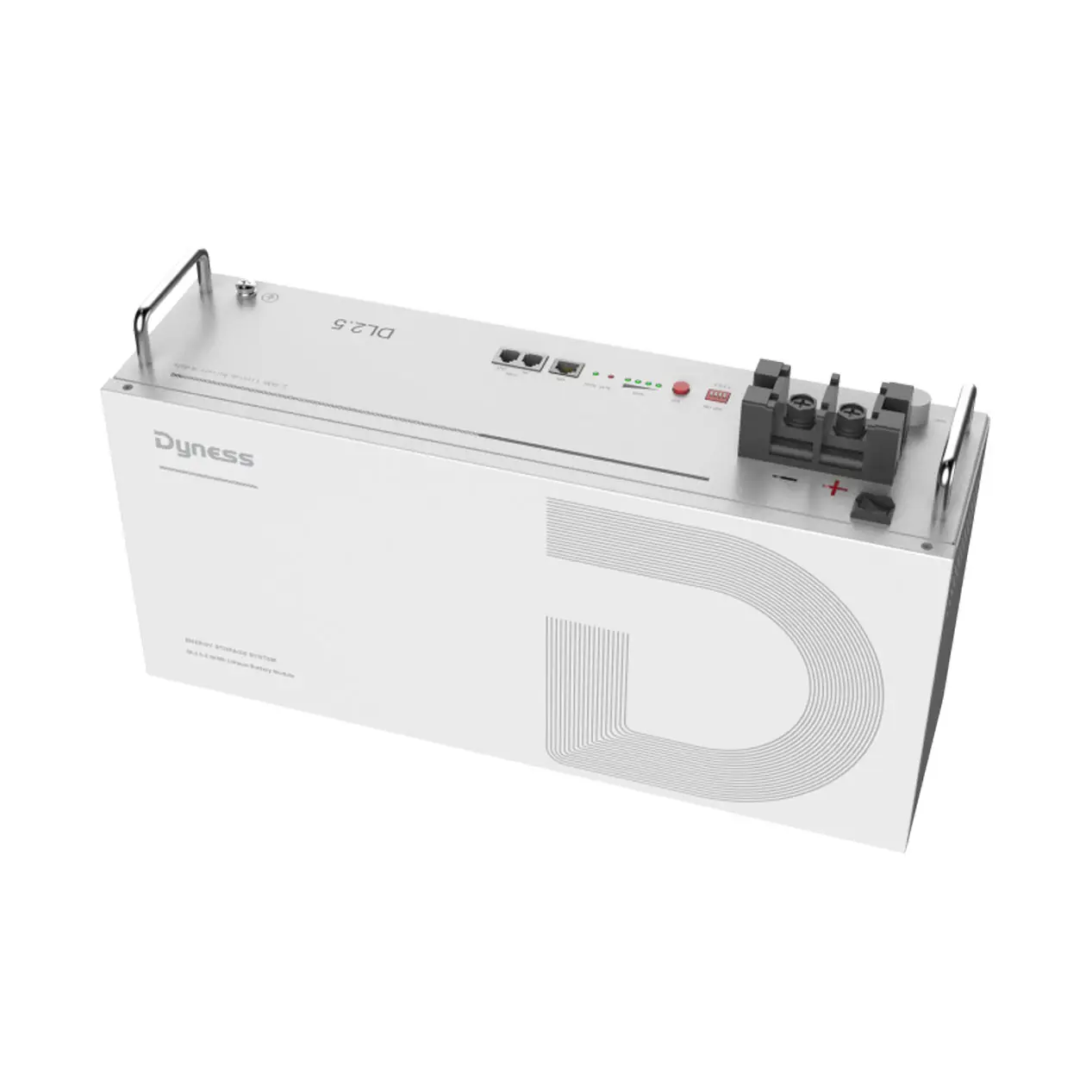
Canada's move away from net metering highlights why South African businesses must prioritise battery storage over grid export.
As global energy markets grapple with fragmented grid policies and shifting feed-in tariffs, Canada’s evolving solar sector offers a clear warning for South African enterprises. With provincial grids altering how they compensate solar generation, local businesses must prioritise storage-paired systems to ensure load-shedding resilience and protect their return on investment.
Navigating Fragmented Feed-in Tariffs
Canada’s solar market operates across highly segregated provincial grids, creating what the Canadian Renewable Energy Association calls thirteen different markets. According to PV Magazine, this fragmentation is leading to significant shifts in how solar generation is valued and compensated by regional utilities.
British Columbia has recently replaced net metering with a fixed export rate of CAN 0.10 per kilowatt-hour, which sits well below retail pricing. New Brunswick is currently proposing a similar shift toward below-retail compensation for surplus solar generation, sparking heavy pushback from local consumers.
For South African commercial buyers, this mirrors the fragmented feed-in tariffs across different local municipalities. Relying on grid export to finance a solar installation is increasingly unpredictable. Enterprise buyers must instead size their arrays for maximum self-consumption to guarantee a stable rand return.
The Shift Toward Storage and Agrivoltaics
With export values dropping, the Canadian market is seeing a surge of interest in storage-paired systems. Adding battery capacity allows businesses to store excess midday generation rather than feeding it back into the grid at heavily discounted rates.
In South Africa, commercial battery storage serves a dual purpose. Beyond optimising self-consumption, robust lithium-ion arrays are non-negotiable for maintaining operations during severe load-shedding. Investing in high-capacity storage ensures continuous uptime for critical enterprise compute and manufacturing infrastructure.
Large-scale procurement is also driving innovation. Ontario recently backed twelve solar projects totalling 915 megawatts, which notably includes agrivoltaics competing directly against gas generation. South African agricultural operations can leverage similar dual-use solar deployments to drastically reduce their reliance on expensive diesel generators.
Geopolitical Volatility and Supply Chain Risks
Global solar supply chains remain highly sensitive to geopolitical shifts. PV Magazine reports that the United States recently placed 50% tariffs on billions of dollars worth of Canadian goods, creating immediate uncertainty across the North American renewable energy sector.
Canadian Prime Minister Mark Carney has responded by reiterating commitments to double the electricity grid with sustainable energy. This includes ambitious nation-building projects and cross-country transmission lines designed to balance the grid and open up new solar markets.
For South African IT and facilities managers, this international volatility underscores the importance of predictable procurement. Relying on established local supply channels ensures that buyers face stable rand pricing, reliable lead times, and comprehensive warranty support, rather than absorbing the risks of international freight and sudden tariff changes.
Safety Standards and Nascent Technologies
Canada is also seeing grassroots interest in plug-in solar systems, though regulatory approval remains a hurdle. The Canadian Standards Association is currently debating UL 3700, a bi-national safety framework designed to cover interactive plug-in solar equipment across North America.
While authorities like Ontario’s Electrical Safety Authority have signalled backing for UL 3700-compliant products, none are currently available on the market. Manufacturers are only just beginning to design products that meet these proposed safety standards.
South African businesses should take note of this slow regulatory progress. Rather than waiting for nascent plug-and-play technologies, enterprise buyers must deploy proven, NRS-approved commercial inverters and battery systems. Professional installation backed by robust local warranties remains the only secure path for enterprise energy resilience.
Frequently asked questions
- Why are storage-paired solar systems becoming more important for businesses?
- As grid operators reduce the rates paid for exported solar power, storing excess energy in commercial batteries provides a better financial return. In South Africa, this storage is also critical for guaranteeing operational uptime during load-shedding.
- What are agrivoltaics and how do they benefit commercial operations?
- Agrivoltaics involve co-locating solar panels with agricultural land. This dual-use approach allows farming operations to generate their own power efficiently, reducing their reliance on grid electricity and expensive diesel generators without sacrificing productive land.
- How do global tariffs affect local solar procurement in South Africa?
- International trade disputes can cause sudden hardware shortages and price spikes globally. Sourcing equipment locally ensures predictable rand pricing, shorter lead times, and reliable warranty support, shielding businesses from unexpected supply chain disruptions.
Browse at Server Hub
Sources
Compiled by the Server Hub newsroom from the reporting above. Every factual claim is checked against those sources before publication, and every source is linked so you can verify it yourself. How we work.
The Server Hub briefing
South African IT hardware news, once a week.
What’s new, what it costs in rand, and what it means for the kit you run — servers and storage, networking, backup power, surveillance and print. Every claim checked against a named source.